| Icon | Title | Category | Subcategory |
|---|
| Icon | Title | Details | Max Stack | |||||||||||||||||||||||||||||||||||||||||||||||||||||||||||||||||||||||||||||||||||||||||||||||
|---|---|---|---|---|---|---|---|---|---|---|---|---|---|---|---|---|---|---|---|---|---|---|---|---|---|---|---|---|---|---|---|---|---|---|---|---|---|---|---|---|---|---|---|---|---|---|---|---|---|---|---|---|---|---|---|---|---|---|---|---|---|---|---|---|---|---|---|---|---|---|---|---|---|---|---|---|---|---|---|---|---|---|---|---|---|---|---|---|---|---|---|---|---|---|---|---|---|---|
|
|
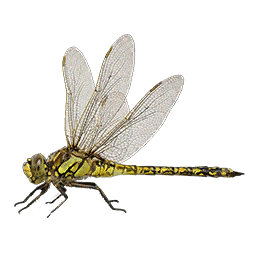
Dragonfly |
An insect that prowls along the water’s edge, hunting flying bugs. It has large compound eyes, a long slender body, and two pairs of transparent wings. It can hover in midair, quickly change direction, and catches small insects to eat. |
1 |
|||||||||||||||||||||||||||||||||||||||||||||||||||||||||||||||||||||||||||||||||||||||||||||||
|
|
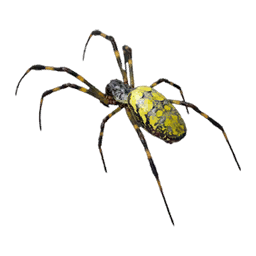
Golden Silk Spider |
A spider with a striking appearance of vivid yellow and black patterns, which creates large spider webs to hunt. Its noticeable colors, like those of a ladybug, serve as a warning to predators. The spider web is complex and sturdy, quickly wrapping prey and injecting venom before eating it slowly. It can often be seen in sunlit grass or gardens. |
1 |
|||||||||||||||||||||||||||||||||||||||||||||||||||||||||||||||||||||||||||||||||||||||||||||||
|
|
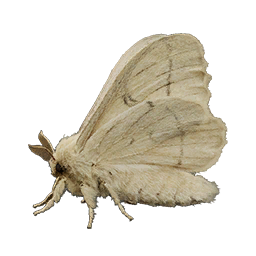
Silkworm Moth |
A moth with soft wings that are white or gray in color. During its pupal stage, it spins a cocoon that serves as the raw material for silk thread. Its larva feeds exclusively on mulberry leaves and has been domesticated by humans for centuries. |
1 |
|||||||||||||||||||||||||||||||||||||||||||||||||||||||||||||||||||||||||||||||||||||||||||||||
|
|
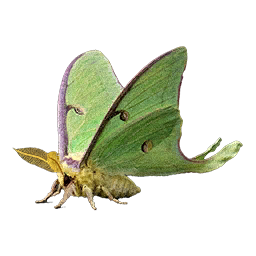
Wild Silkworm Moth |
A large moth that lives in the mountains, it is bigger than a silkworm moth and often has distinct patterns or eye-shaped spots on its wings. The caterpillar feeds on the leaves of various trees, spins a cocoon, pupates, and eventually emerges as an adult moth. |
1 |
|||||||||||||||||||||||||||||||||||||||||||||||||||||||||||||||||||||||||||||||||||||||||||||||
|
|
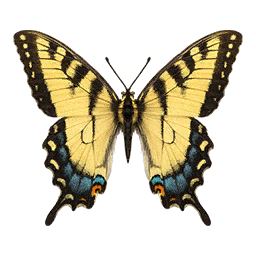
Swallowtail |
A butterfly with wings that have a bright yellow base overlaid with distinct black stripes spreading like tiger markings. The hindwings bear rows of small blue spots, creating a strikingly ornate pattern. |
1 |
|||||||||||||||||||||||||||||||||||||||||||||||||||||||||||||||||||||||||||||||||||||||||||||||
|
|
Ornythion Swallowtail Butterfly |
A butterfly with the base of its wings a bright, soft golden yellow, marked with bold black patterns running across them. Long, slender tail-like protrusions extend down from the tips of the hindwings. |
1 |
|||||||||||||||||||||||||||||||||||||||||||||||||||||||||||||||||||||||||||||||||||||||||||||||
|
|
Polydamas Swallowtail Butterfly |
A butterfly with wings that are overall dark-toned black with yellow band-like markings. It lacks the characteristic tail extensions unlike other swallowtails. |
1 |
|||||||||||||||||||||||||||||||||||||||||||||||||||||||||||||||||||||||||||||||||||||||||||||||
|
|
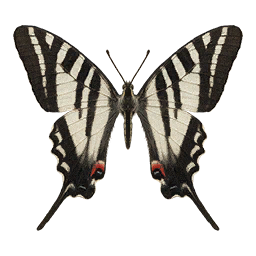
Zebra Swallowtail |
As the name suggests, the wings feature alternating white and black stripes. The white areas are tinged with a silvery hue rather than pure white, sparkling in sunlight. |
1 |
|||||||||||||||||||||||||||||||||||||||||||||||||||||||||||||||||||||||||||||||||||||||||||||||
|
|
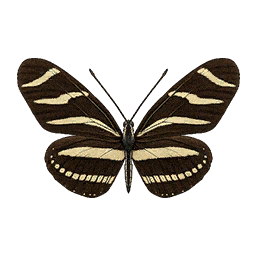
Zebra Longwing Butterfly |
A butterfly with long and slender wings that have ivory or pale yellow stripes on a black background. Its forewings are narrow and pointed, while the hindwings are rounded and narrow. |
1 |
|||||||||||||||||||||||||||||||||||||||||||||||||||||||||||||||||||||||||||||||||||||||||||||||
|
|
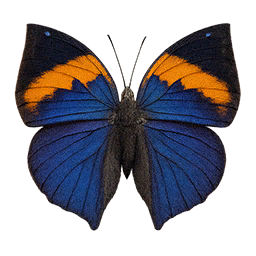
Orange Oakleaf Butterfly |
A butterfly with the upper side of its wings a deep blue background and a wide orange band running diagonally across the forewings. The hindwings are bordered with a black edge. The underside of the wings has a dry leaf pattern, with a thick line in the center resembling the main vein of a leaf. |
1 |
|||||||||||||||||||||||||||||||||||||||||||||||||||||||||||||||||||||||||||||||||||||||||||||||
|
|
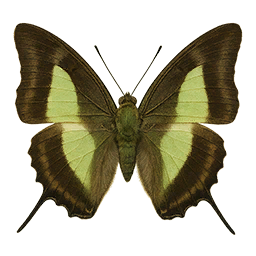
Nawab Butterfly |
A butterfly with the upper side of its wings that has a dark brown background with a distinct wide green to yellow-green band running across the center of the wings. The hindwings have two long, sharp tail projections, and there are small orange spots at the lower tips. |
1 |
|||||||||||||||||||||||||||||||||||||||||||||||||||||||||||||||||||||||||||||||||||||||||||||||
|
|
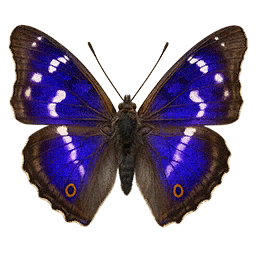
Purple Emperor Butterfly |
A butterfly with the upper side of the male’s wings that has a dark brown background with a strong metallic purple that shines depending on the angle. The female has almost no purple sheen and distinct brown and white patterns. The forewings have a thick white horizontal stripe, and there are white spots at the tips of the wings. The outer edge of the hindwings has orange eye-shaped patterns. |
1 |
|||||||||||||||||||||||||||||||||||||||||||||||||||||||||||||||||||||||||||||||||||||||||||||||
|
|
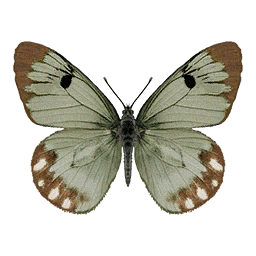
Green Sulphur Butterfly |
Bright yellow wings are bordered by dark grayish brown or black bands. Small spots mark the center of the forewings, and subtle mottlings appear on the underside of the hindwings. |
1 |
|||||||||||||||||||||||||||||||||||||||||||||||||||||||||||||||||||||||||||||||||||||||||||||||
|
|
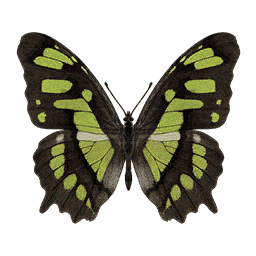
Malachite Butterfly |
A butterfly with the upper side of the wing of a deep olive-brown base and large, vivid light green to jade spots arranged in a regular pattern. The underside of the wing has the same pattern as the upper side, but the light green parts appear pale yellow-green to yellow, and the brown turns reddish-brown, resembling dried leaves. |
1 |
|||||||||||||||||||||||||||||||||||||||||||||||||||||||||||||||||||||||||||||||||||||||||||||||
|
|
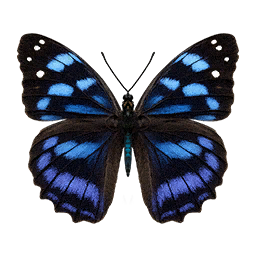
Bluewing Butterfly |
A butterfly with the upper side of the wings of a black background and a broad blue stripe running across both the forewings and hindwings. The blue deepens toward the base of the wings. White spots are scattered on the edges and tips of the forewings, contrasting with the inner side. |
1 |
|||||||||||||||||||||||||||||||||||||||||||||||||||||||||||||||||||||||||||||||||||||||||||||||
|
|
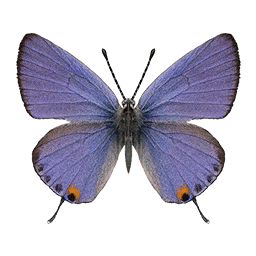
Blue Lycaenid Butterfly |
A butterfly with the upper side of the male’s wings metallic sky blue with a celadon blue background, with a thin black border along the edges of the wings. The female has a brownish orange background with scattered black spots. |
1 |
|||||||||||||||||||||||||||||||||||||||||||||||||||||||||||||||||||||||||||||||||||||||||||||||
|
|
Blue Tailed Butterfly |
A butterfly with its upper side of the wings vivid blue with a thin black border along the edge. The female has a brownish background, and the base of the wings may be slightly blue. On the hindwings, there are orange spots and black spots. |
1 |
|||||||||||||||||||||||||||||||||||||||||||||||||||||||||||||||||||||||||||||||||||||||||||||||
|
|
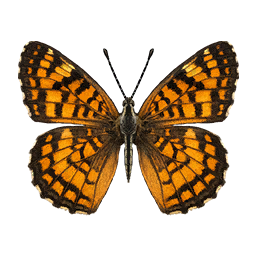
Theona Checkerspot Butterfly |
A butterfly with its upper side of the wings that shows a clear contrast between orange and black, with patterns arranged like a checkerboard. In the center, several orange spots are lined up, and the edge has a black band. |
1 |
|||||||||||||||||||||||||||||||||||||||||||||||||||||||||||||||||||||||||||||||||||||||||||||||
|
|
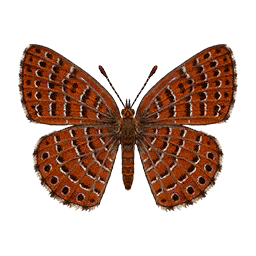
Little Metalmark Butterfly |
A butterfly with its upper side of the wings that has evenly spread black spots on an orange background. Along the spots and veins of the wings, there are thin silvery metallic lines that sparkle when sunlight hits them. |
1 |
|||||||||||||||||||||||||||||||||||||||||||||||||||||||||||||||||||||||||||||||||||||||||||||||
|
|
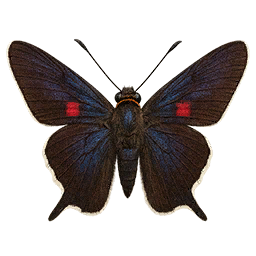
Guava Skipper Butterfly |
A butterfly with the upper side of the wings a deep blue and black, and especially, there is a white border along the edge of the wings. Also, there are two red spots on the top. The shape of the wings is close to a triangle, and as the name suggests, it flies very fast and nimbly. |
1 |
|||||||||||||||||||||||||||||||||||||||||||||||||||||||||||||||||||||||||||||||||||||||||||||||
|
|
Southern Blue Peacock Butterfly |
A butterfly with the upper side of the male’s wings that has a deep indigo blue base with a black border, and the outer edge of the forewings with a row of orange spots. The hindwings have two distinct eye-shaped spots. The female has a stronger overall brown tone, and the blue area is reduced. |
1 |
|||||||||||||||||||||||||||||||||||||||||||||||||||||||||||||||||||||||||||||||||||||||||||||||
|
|
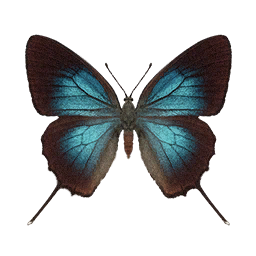
Great Purple Hairstreak Butterfly |
A butterfly with dark, bluish-black wings that exhibit a strong metallic sheen of purple or violet, shifting dramatically in sunlight. Depending on the angle, the colors change between purple, magenta, and teal, creating a spectacular sight to see. |
1 |
|||||||||||||||||||||||||||||||||||||||||||||||||||||||||||||||||||||||||||||||||||||||||||||||
|
|
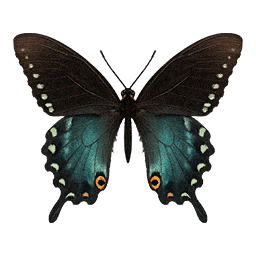
Spicebush Swallowtail Butterfly |
A butterfly with a deep black base color, the wings gleam with a teal or navy sheen in sunlight. Broad blue or teal patches spread across the hindwings. |
1 |
|||||||||||||||||||||||||||||||||||||||||||||||||||||||||||||||||||||||||||||||||||||||||||||||
|
|
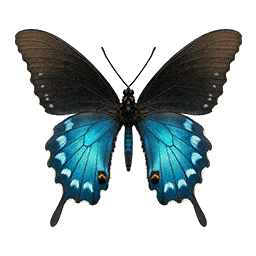
Pipevine Swallowtail Butterfly |
A butterfly with wings that are predominantly dark black. The forewings display a subtle bluish metallic sheen depending on the angle of light, while the upper hindwings are covered in broad navy or teal iridescence, shining brilliantly in sunlight. |
1 |
|||||||||||||||||||||||||||||||||||||||||||||||||||||||||||||||||||||||||||||||||||||||||||||||
|
|
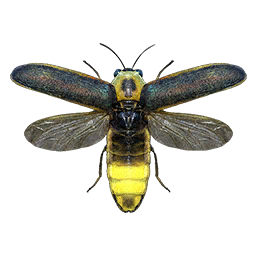
Firefly |
An insect with small, delicate wings and can emit light from a luminous organ at the end of its body. The light is used for mating signals or communication, and its flickering glow in the dark night sky is truly captivating. It is most active in damp grass, along riverbanks, and at the edges of forests. As a larva, it preys on small insects and snails. |
1 |
|||||||||||||||||||||||||||||||||||||||||||||||||||||||||||||||||||||||||||||||||||||||||||||||
|
|
Grasshopper |
Insects known for their powerful hind legs that enable them to jump great distances. They are typically found in grasslands, forests, and agricultural areas worldwide. |
1 |
|||||||||||||||||||||||||||||||||||||||||||||||||||||||||||||||||||||||||||||||||||||||||||||||
|
|
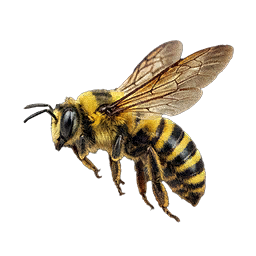
Honeybee |
A social insect covered in fine hairs with transparent wings. It gathers nectar and pollen from flowers and carries them homeward to the beehive, producing honey and beeswax. Living in colonies with divided roles, it plays a crucial part as a pollinator for plants. When threatened, it attacks with its stinger, sacrificing its own life in the process. |
1 |
|||||||||||||||||||||||||||||||||||||||||||||||||||||||||||||||||||||||||||||||||||||||||||||||
|
|
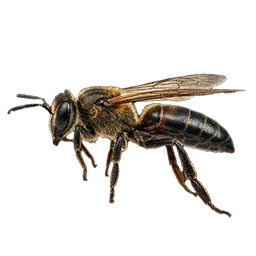
Hornet |
An insect with a sleek, streamlined body, powerful jaws, and a potent sting. Highly carnivorous, it hunts and feeds on other insects and bees. It lives in colonies, builds nests, and fiercely defends its territory. Its sting can be used multiple times, making it capable of inflicting serious harm when threatened. |
1 |
|||||||||||||||||||||||||||||||||||||||||||||||||||||||||||||||||||||||||||||||||||||||||||||||
|
|
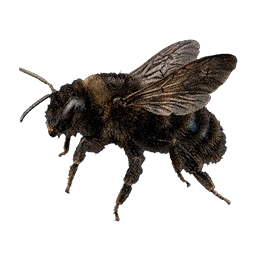
Bumblebee |
A bee with a round, fluffy body and distinctive black and yellow stripes. It’s larger than a honeybee but has a relatively gentle nature. It gathers nectar and pollen from flowers, aiding in pollination. It flies by quickly and steadily flapping its wings, and despite its heavy build, it’s capable of long-distance flight. |
1 |
|||||||||||||||||||||||||||||||||||||||||||||||||||||||||||||||||||||||||||||||||||||||||||||||
|
|
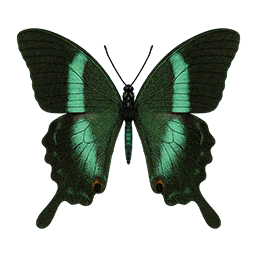
Banded Peacock Butterfly |
A butterfly with its entire wing of a dark blackish-brown base and a broad emerald green band running across the forewing and hindwing. The green band changes to turquoise or celadon depending on the angle of light, giving a metallic sheen like a peacock feather. It has a short, tail-like projection at its tip. |
1 |
|||||||||||||||||||||||||||||||||||||||||||||||||||||||||||||||||||||||||||||||||||||||||||||||
|
|
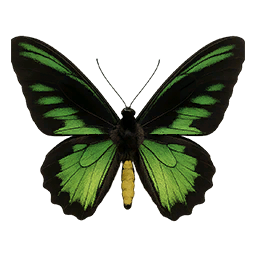
Green Birdwing Butterfly |
A butterfly with the upper side of its wings that has a black background, and light green patterns in the forewings that extend long along the border from the wing base. The hindwings have a light green background with small black dots arranged along the outer part. In females, the base color of the wings is dark brown, and cream or light yellow patterns appear instead of green. |
1 |
|||||||||||||||||||||||||||||||||||||||||||||||||||||||||||||||||||||||||||||||||||||||||||||||
|
|
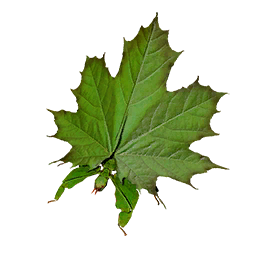
Palmar Beetle |
A small beetle that has a shell closely mimicking the unique patterns and shape of the Palmar leaf. Its body is about the size of a fingernail, and when it hides among clusters of Palmar leaves, it’s nearly impossible to spot. The beetle’s mimicry serves as camouflage to evade predators, and when threatened, it quietly freezes, blending in perfectly with the leaves. |
1 |
|||||||||||||||||||||||||||||||||||||||||||||||||||||||||||||||||||||||||||||||||||||||||||||||
|
|
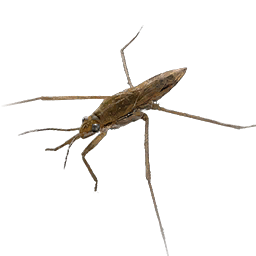
Water Strider |
An insect that uses its long legs to glide smoothly across the water’s surface. Tiny hairs on its legs help maintain surface tension, preventing it from sinking. It moves swiftly and gently over the water, patrolling its domain as part of its daily life. |
1 |
|||||||||||||||||||||||||||||||||||||||||||||||||||||||||||||||||||||||||||||||||||||||||||||||
|
|
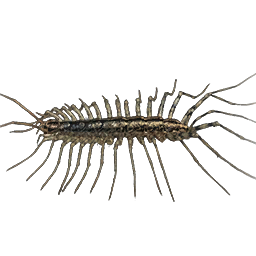
House Centipede |
An arthropod with a slender body and several pairs of long, extended legs. It mainly inhabits damp, shaded areas and quickly hunts down and eats small insects or pests. Highly agile and fast, it can move swiftly and overcome obstacles in an instant. It subdues its prey with venomous jaws, but its venom is relatively mild and poses little threat. |
1 |
|||||||||||||||||||||||||||||||||||||||||||||||||||||||||||||||||||||||||||||||||||||||||||||||
|
|
White Streaked butterfly |
A vivid blue butterfly with black spreading over the front part of its forewings. The underside of the wings has a unique pattern with a white line in the shape of “M.” |
1 |
|||||||||||||||||||||||||||||||||||||||||||||||||||||||||||||||||||||||||||||||||||||||||||||||
|
|
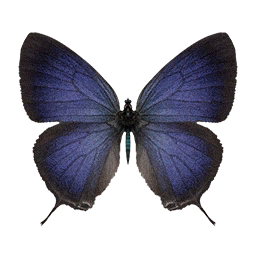
Violet Hairstreak Butterfly |
A butterfly with vivid and deep purple metallic luster, with a thin black band along the edges of the forewings and hindwings. Near the tail, there are small patterns mixed with orange spots and a bluish hue. |
1 |
|||||||||||||||||||||||||||||||||||||||||||||||||||||||||||||||||||||||||||||||||||||||||||||||
|
|
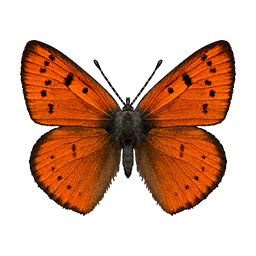
Red Lycaenid Butterfly |
A butterfly with the upper side of its wings characterized by a vivid coppery orange with a strong metallic sheen, with the edges of the wings surrounded by a thin black border. When exposed to light, the wings sparkle and are very noticeable. |
1 |
|||||||||||||||||||||||||||||||||||||||||||||||||||||||||||||||||||||||||||||||||||||||||||||||
|
|
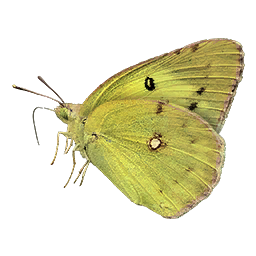
Meadow Butterfly |
An butterfly with broad, ornate wings, with tiny scales on the surface. It features a slender, elongated body and thin antennae, and mainly feeds on nectar from flowers. Active during the day, it flies gracefully and can be found in a range of places, including mountains, fields, and gardens. |
1 |
|||||||||||||||||||||||||||||||||||||||||||||||||||||||||||||||||||||||||||||||||||||||||||||||
|
|
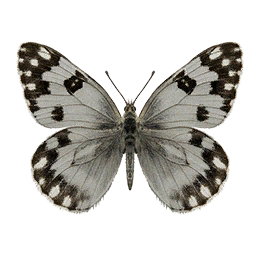
Checkered White Butterfly |
A butterfly with white wings that are patterned in a checkerboard of gray or dark brown. Males have fewer markings and more clean white space compared to females. |
1 |
|||||||||||||||||||||||||||||||||||||||||||||||||||||||||||||||||||||||||||||||||||||||||||||||
|
|
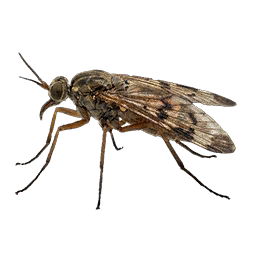
Fruit Fly |
A small, lightweight fly species, it flutters around with gentle wingbeats. Drawn to the scent of food or fermenting fruit, it appears easily and breeds at a rapid pace. Despite its short lifespan, it lays numerous eggs, quickly increasing its population. It can be found both inside the home and outdoors. |
1 |
|||||||||||||||||||||||||||||||||||||||||||||||||||||||||||||||||||||||||||||||||||||||||||||||
|
|
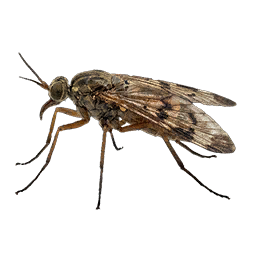
Medium Fly |
A type of fly slightly larger than a common fruit fly, known for its agility and fast flight. It is attracted to locations where there is organic substances such as decaying fruit, food waste, and animal carcasses. Most active during the warmer seasons, it breeds rapidly and can form large swarms in a short period of time. |
1 |
|||||||||||||||||||||||||||||||||||||||||||||||||||||||||||||||||||||||||||||||||||||||||||||||
|
|
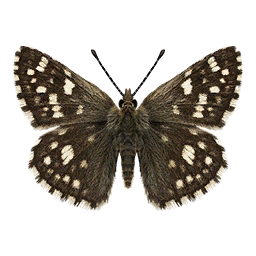
Grizzled Skipper Butterfly |
A butterfly with its upper side of the wings characterized by a dark brown background with several irregular white spots spread out. The edge has a thin, light-colored border. |
1 |
|||||||||||||||||||||||||||||||||||||||||||||||||||||||||||||||||||||||||||||||||||||||||||||||
|
|
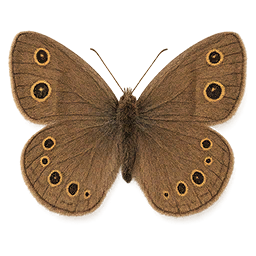
Little Wood Satyr Butterfly |
A butterfly with the upper side of the wings of a light grayish brown color with two distinct round eye-shaped spots on both the forewings and hindwings. The underside of the wings is lighter in color than the upper side, with two thin brown stripes crossing the wings, and the eye patterns appear more clearly. |
1 |
|||||||||||||||||||||||||||||||||||||||||||||||||||||||||||||||||||||||||||||||||||||||||||||||
|
|
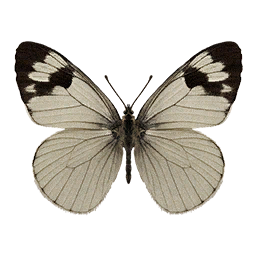
White Butterfly |
A butterfly with wings that are white-based with black patterns lining the edges and tips. A wide black band spreads across the upper forewings. The white areas shimmer with a silvery glow in sunlight. |
1 |
|||||||||||||||||||||||||||||||||||||||||||||||||||||||||||||||||||||||||||||||||||||||||||||||
|
|
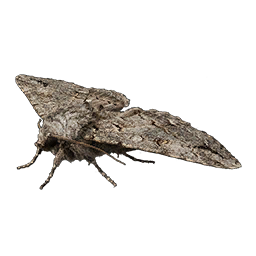
Mountain Moth |
Although similar in shape to butterflies, they are generally active at night and have a hairier body. Their wings are usually brown or gray, serving as camouflage. They are easily attracted to light and often gather around lamps. During the larval stage, they feed on leaves and farming crops, sometimes causing damage. |
1 |
|||||||||||||||||||||||||||||||||||||||||||||||||||||||||||||||||||||||||||||||||||||||||||||||
|
|
White Peacock Butterfly |
A butterfly with wings of an ivory white background and distinct patterns from brown to yellow-brown in the center of the forewings and hindwings. There are small and clear eye-shaped circular spots, and the outer edge of the wings is surrounded by a wavy dark brown band. |
1 |
|||||||||||||||||||||||||||||||||||||||||||||||||||||||||||||||||||||||||||||||||||||||||||||||
|
|
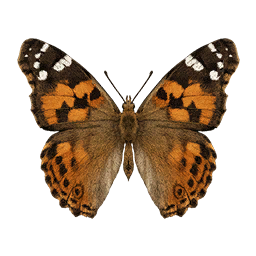
Painted Lady Butterfly |
A butterfly with the upper side of its wings a scarlet background, scattered with black spots, with the tips of the forewings tinged black and lined with white spots inside. Its hindwings are orange with a hint of brown, and small black dots are arranged along the edges. |
1 |
|||||||||||||||||||||||||||||||||||||||||||||||||||||||||||||||||||||||||||||||||||||||||||||||
|
|
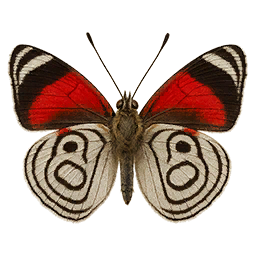
Eighty-eight Butterfly |
A butterfly with the upper side of its wings that has a black background with vivid blue to green patterns appearing outward. The underside of the wings shows contrasting red, black, and white patterns on the forewings, and the center of the hindwings has a unique pattern with two black lines looping to resemble the number “88.” |
1 |
|||||||||||||||||||||||||||||||||||||||||||||||||||||||||||||||||||||||||||||||||||||||||||||||
|
|
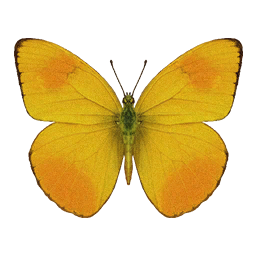
Orange-Barred Sulphur Butterfly |
Males have vivid yellow wings with a prominent orange band on the forewings. The wing colors of females vary from pale yellow to light whitish tones, with the orange band appearing fainter. |
1 |
|||||||||||||||||||||||||||||||||||||||||||||||||||||||||||||||||||||||||||||||||||||||||||||||
|
|
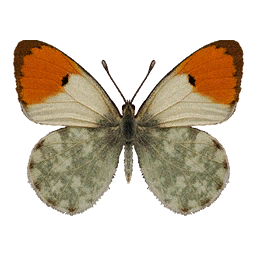
Scarlet Leafwing Butterfly |
A butterfly with wings of a white background. Males have a wide orange spot spread at the tip of the upper forewing. The orange may be faint or absent on females, and instead, gray-brown patterns appear on their wing tips. |
1 |
|||||||||||||||||||||||||||||||||||||||||||||||||||||||||||||||||||||||||||||||||||||||||||||||
|
|
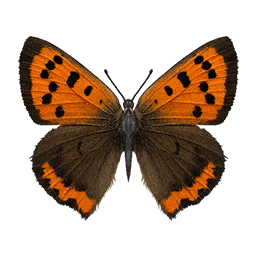
Spotted Lycaenid Butterfly |
A butterfly with the upper side of its forewings a vivid orange with a black band along the edges and several black spots arranged in the center. The upper side of its hindwings is dark brown with a reddish band around the outer edge. The underside of the hindwings has small black dots scattered across it. |
1 |
|||||||||||||||||||||||||||||||||||||||||||||||||||||||||||||||||||||||||||||||||||||||||||||||
|
|
Crimson Patch Butterfly |
A butterfly with wings that has a black background and white spots evenly arranged on the forewings. In the center of the upper side of the hindwings, a wide and vivid crimson band runs horizontally. |
1 |
|||||||||||||||||||||||||||||||||||||||||||||||||||||||||||||||||||||||||||||||||||||||||||||||
|
|
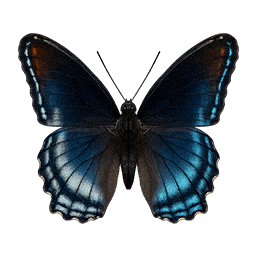
Red-spotted Purple Butterfly |
A butterfly with the upper side of the wings of a black background with a strong bluish green to turquoise metallic sheen, and small white spots that rarely appear on its edges. A blue band runs evenly along the outer edge of the hindwings. The underside of the wings has a background mixed with brown and orange, with rows of round reddish orange spots. |
1 |
|||||||||||||||||||||||||||||||||||||||||||||||||||||||||||||||||||||||||||||||||||||||||||||||
|
|
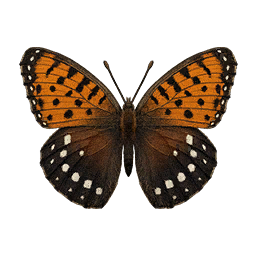
Regal Fritillary Butterfly |
A butterfly with upper wings that are a deep orange, with evenly scattered black spots on the forewings. The upper side of the hindwings features a black background with two rows of large white spots. The underside shows the same pattern as the upper side. |
1 |
|||||||||||||||||||||||||||||||||||||||||||||||||||||||||||||||||||||||||||||||||||||||||||||||
|
|
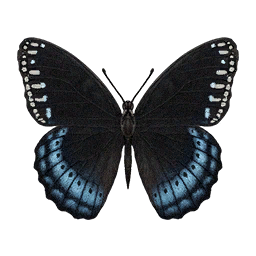
Diana Fritillary Butterfly |
A butterfly with a distinct difference in color depending on gender. Females have a deep indigo blue background with black edges, and a strong metallic blue sheen on their hindwings and near the wing bases. Males have a clear contrast between orange and black patterns, with a common leopard pattern. |
1 |
|||||||||||||||||||||||||||||||||||||||||||||||||||||||||||||||||||||||||||||||||||||||||||||||
|
|
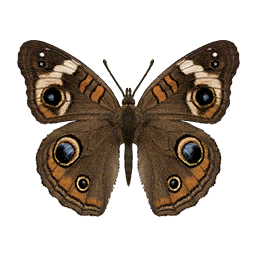
Buckeye Butterfly |
A blend of reddish-brown and orange bands marks its brown base, with large, distinct eyespots on the forewings. Relatively large eyespots are also visible on the hindwings. |
1 |
|||||||||||||||||||||||||||||||||||||||||||||||||||||||||||||||||||||||||||||||||||||||||||||||
|
|
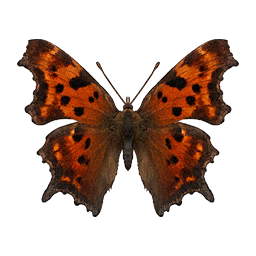
Yellow Comma Butterfly |
An orange butterfly with its upper side of the wings with black spots and irregularly dented edges. In the center of the underside of the hindwings, there is a small silvery-white comma-shaped pattern. |
1 |
|||||||||||||||||||||||||||||||||||||||||||||||||||||||||||||||||||||||||||||||||||||||||||||||
|
|
Rusty Tipped Page Butterfly |
A butterfly with the upper side of its wing that has a dark brown base, with the tip of the forewing tinged with reddish-brown, which is its most distinctive feature. In the center of the forewing, there is a thick white band running horizontally, which continues to the hindwing, crossing the entire wing. |
1 |
|||||||||||||||||||||||||||||||||||||||||||||||||||||||||||||||||||||||||||||||||||||||||||||||
|
|
Sleepy Scarlet Butterfly |
A butterfly with vivid orange wings that are edged with dark brown or black borders. The underside of the hindwings bears patterns resembling sleepy eyes, inspiring its name. |
1 |
|||||||||||||||||||||||||||||||||||||||||||||||||||||||||||||||||||||||||||||||||||||||||||||||
|
|
Ruddy Daggerwing Butterfly |
A butterfly with the upper side of the wings of a vivid orange background with several black vertical stripes running along the forewings and hindwings. Its hindwings have long, pointed dagger-shaped tail bumps, and the edges are surrounded by a black border. The underside of the wings looks like a dry leaf. |
1 |
|||||||||||||||||||||||||||||||||||||||||||||||||||||||||||||||||||||||||||||||||||||||||||||||
|
|
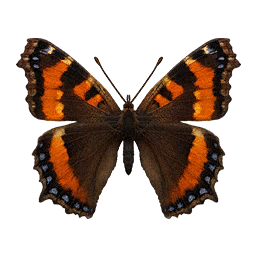
Flame-Bordered Butterfly |
A dark brown butterfly with a distinct orange band that runs across the center of the wings. The edges of the wings are black with tiny blue spots lined up. |
1 |
|||||||||||||||||||||||||||||||||||||||||||||||||||||||||||||||||||||||||||||||||||||||||||||||
|
|
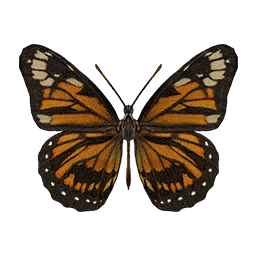
Tiger Mimic Queen Butterfly |
A butterfly with wings that have a vivid orange background, and thick black stripes stretch across the forewings, reminiscent of a butterfly. The tips of its forewings are tinged with black, with rows of white spots above them. |
1 |
|||||||||||||||||||||||||||||||||||||||||||||||||||||||||||||||||||||||||||||||||||||||||||||||
|
|
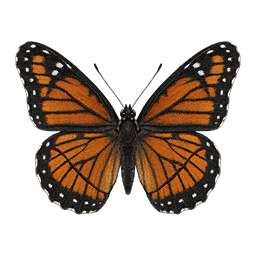
Commander Butterfly |
A butterfly with the dorsal side of its wings features distinct black patterns stretching across an orange base, with the outer edges bordered by black bands containing a row of white spots. The hindwings feature an additional horizontal black stripe. |
1 |
|||||||||||||||||||||||||||||||||||||||||||||||||||||||||||||||||||||||||||||||||||||||||||||||
|
|
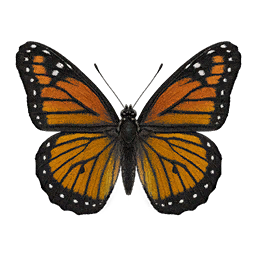
Monarch Butterfly |
A butterfly with the upper side of the wings of a bright orange background with distinct black veins extending and edges surrounded by a black band with evenly arranged white spots on the inner side. |
1 |
|||||||||||||||||||||||||||||||||||||||||||||||||||||||||||||||||||||||||||||||||||||||||||||||
|
|
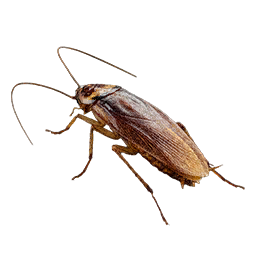
Cockroach |
An arthropod with a flat, broad body, long antennae, and sturdy legs. Thanks to its high adaptability, it survives in a variety of environments, but especially prefers damp, dark places, where it quickly hides in even the smallest, invisible gaps. Its strong survival instincts allow it to live for a short time even after its head is severed, and it has thrived for ages in countless regions. |
1 |
|||||||||||||||||||||||||||||||||||||||||||||||||||||||||||||||||||||||||||||||||||||||||||||||
|
|
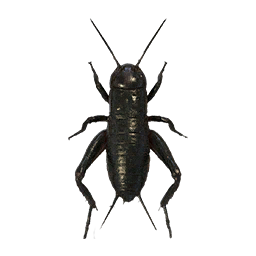
Camel Cricket |
A small, slender insect of the cockroach family, with a light brown to yellow-brown body. It mainly lives under fallen leaves, stones, or in moist soil, feeding on decaying plant matter and helping with nature’s cycle. While it isn’t threatening by nature, its resemblance to cockroaches often makes people uncomfortable. |
1 |
|||||||||||||||||||||||||||||||||||||||||||||||||||||||||||||||||||||||||||||||||||||||||||||||
|
|
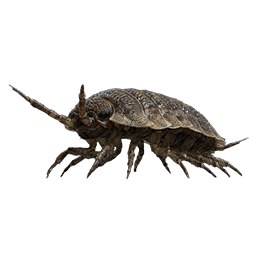
Wharf Roach |
A crustacean with a hard exoskeleton and short legs, it is discovered between rocks and sand on the beach or tidal flats. It can curl its body into a ball to avoid external shocks and mainly eats seaweed or decaying organic matter. It moves quickly to avoid waves and sunlight and serves as a cleaner in the beach ecosystem. |
1 |
|||||||||||||||||||||||||||||||||||||||||||||||||||||||||||||||||||||||||||||||||||||||||||||||
|
|
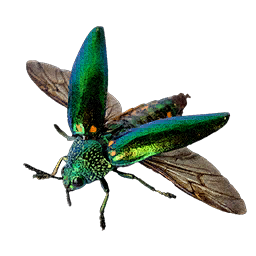
Jewel Beetle |
A beetle known for its metallic, shimmering body. Its colors���green, blue, gold, and more���shift depending on the angle of the light. Thanks to its striking appearance, it is popular as an ornament or collectible. The larvae grow inside wood. |
1 |
|||||||||||||||||||||||||||||||||||||||||||||||||||||||||||||||||||||||||||||||||||||||||||||||
|
|
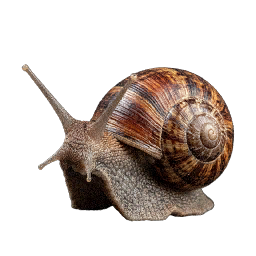
Snail |
A mollusk that carries a hard, spiral shell on its back. It moves slowly using its soft body and a foot rich in mucus. Being herbivorous, it nibbles on leaves, stems, and fruit. Its shell protects its body and prevents it from drying out. Known for its slow movements and gentle nature, it has long been familiar to people. |
1 |
|||||||||||||||||||||||||||||||||||||||||||||||||||||||||||||||||||||||||||||||||||||||||||||||
|
|
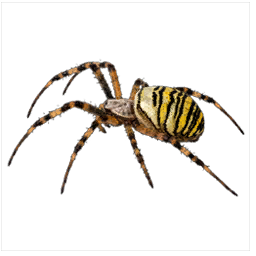
Yellow Garden Spider |
A spider with distinct yellow and black stripes on its body and legs, reminiscent of a tiger. It makes a large circular net to capture flying insects, and its strong spider web does not break easily, even in the wind. The venom is effective in paralyzing insects but is not a significant danger to humans. It is especially active in summer and autumn. |
1 |
|||||||||||||||||||||||||||||||||||||||||||||||||||||||||||||||||||||||||||||||||||||||||||||||
|
|
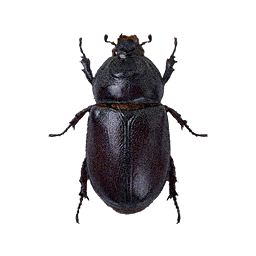
Beetle |
This insect protects its body with tough outer wings. It comes in a wide range of sizes, colors, and shapes, and can be found all over the world. Depending on the species, its diet may be carnivorous, herbivorous, or based on decaying matter. Certain species can even become pests to crops. Thanks to its strong, durable exoskeleton, it is highly resistant to external impacts and thrives in diverse environments, including on the ground, among plants, and in decomposing material. |
1 |
|||||||||||||||||||||||||||||||||||||||||||||||||||||||||||||||||||||||||||||||||||||||||||||||
|
|
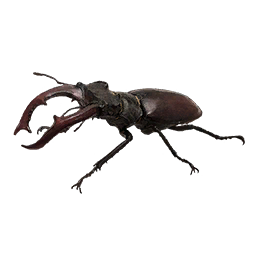
Stag Beetle |
This beetle has long, well-developed mandibles at the front of its head that resemble a deer’s antlers. The large jaws are used by males to compete for strength or to attract mates. It feeds on sap from trees, is strong, and can spread its wings to fly. |
1 |
|||||||||||||||||||||||||||||||||||||||||||||||||||||||||||||||||||||||||||||||||||||||||||||||
|
|
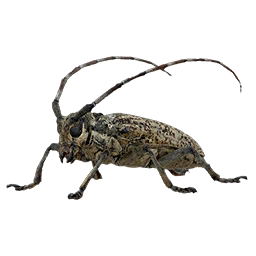
Longhorn Beetle |
A beetle that is characterized by its long antennae, which are longer than its body. It feeds on wood or searches for sap. The larvae burrow into wood as they grow. While some species are pests that damage wood, others are known for their beautiful patterns and colors. |
1 |
|||||||||||||||||||||||||||||||||||||||||||||||||||||||||||||||||||||||||||||||||||||||||||||||
|
|
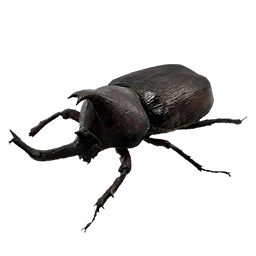
Rhinoceros Beetle |
A large beetle known for its broad, thick body and prominent horn on its head. The male’s horn is used for fighting and attracting mates, and it is incredibly strong. It mainly feeds on tree sap and fruit. After going through a pupal stage, it becomes active in the summer, and thanks to its impressive appearance and strength, it is often called the king of insects. |
1 |
|||||||||||||||||||||||||||||||||||||||||||||||||||||||||||||||||||||||||||||||||||||||||||||||
|
|
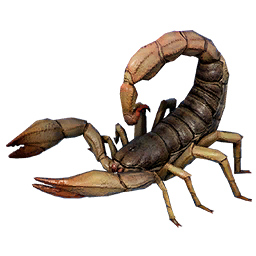
Scorpion |
Wielding their distinctive pincers and tail tipped with a venomous stinger, scorpions are a common sight in the desert. Interestingly, instead of laying eggs, they give birth to their offspring, which are then carried on the mother’s back until they are ready to fend for themselves. |
1 |
|||||||||||||||||||||||||||||||||||||||||||||||||||||||||||||||||||||||||||||||||||||||||||||||
|
|
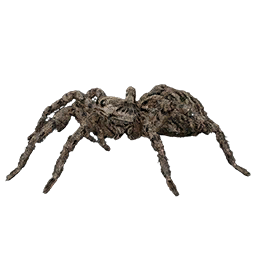
Spider |
An arthropod composed of eight legs and two body segments, without wings, uses spider web for hunting and life. The spider web is very sticky and tough, allowing prey to be captured effectively, and some species use venom to paralyze their prey. They inhabit various environments such as forests, grasslands, and around houses, and are classified as net spiders or long-jawed spiders depending on their hunting method. |
1 |
|||||||||||||||||||||||||||||||||||||||||||||||||||||||||||||||||||||||||||||||||||||||||||||||
|
|
Centipede |
|
1 |
|||||||||||||||||||||||||||||||||||||||||||||||||||||||||||||||||||||||||||||||||||||||||||||||
|
|
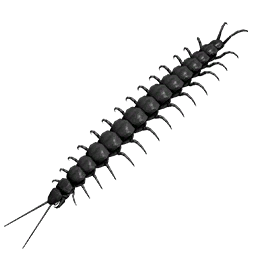
Black Centipede |
A large centipede with a long, slender body that has a black sheen, it quickly subdues prey using strong jaws and venom. Its body is divided into several segments, each with a pair of legs, allowing it to move very dexterously. It mainly hides in dark crevices or among fallen leaves, waiting for an opportunity to hunt, and becomes highly aggressive when it receives a threat. |
1 |
|||||||||||||||||||||||||||||||||||||||||||||||||||||||||||||||||||||||||||||||||||||||||||||||
|
|
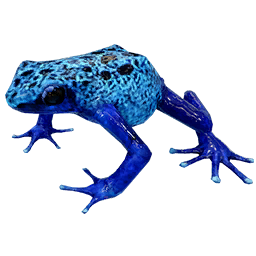
Poison Frog |
A small, vividly colored reptile, that gives off a stark warning to predators about their toxicity wherever they go. Despite their small size, these frogs pack a potent punch, with some species carrying enough toxin to deter or even kill predators. |
1 |
|||||||||||||||||||||||||||||||||||||||||||||||||||||||||||||||||||||||||||||||||||||||||||||||
|
|
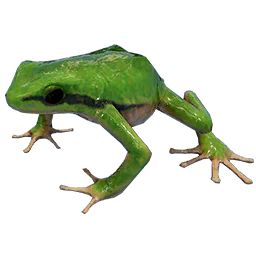
Tree Frog |
Often found clinging to a tree, these frogs are equipped with specialized adaptations such as sticky toe pads that enable them to climb and adhere to smooth surfaces with ease. Their vibrant color often serves as a camouflage, helping them blend into their leafy surroundings to evade predators. |
1 |
|||||||||||||||||||||||||||||||||||||||||||||||||||||||||||||||||||||||||||||||||||||||||||||||
|
|
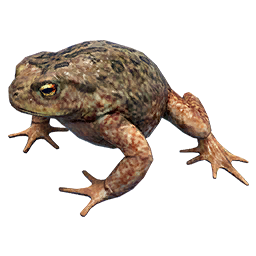
Toad |
Unlike frogs, these amphibians are adapted to terrestrial life, frequently found in fields, forests, and gardens rather than in water. They possess the ability to sluggishly leap or inflate their bodies to secrete toxins from their skin, which they use to ward off predators. |
1 |
|||||||||||||||||||||||||||||||||||||||||||||||||||||||||||||||||||||||||||||||||||||||||||||||
|
|
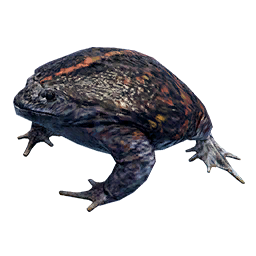
Burrowing Toad |
An amphibian that spends most of its time underground. True to its name, it digs burrows and lives within them, a feat made possible by its shovel-like, powerful hind legs and its solid, sturdy body. It emerges only to seek food or to breed at night or when it rains. |
1 |
|||||||||||||||||||||||||||||||||||||||||||||||||||||||||||||||||||||||||||||||||||||||||||||||
|
|
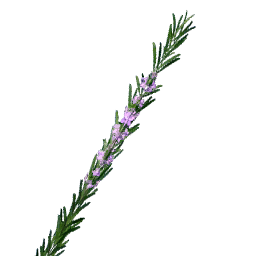
Rosemary |
Features vibrant green leaves and a signature mint scent, it is beloved for its cooling aroma, this versatile herb is commonly found throughout Hernand and Demeniss. |
50 |
|||||||||||||||||||||||||||||||||||||||||||||||||||||||||||||||||||||||||||||||||||||||||||||||
|
|
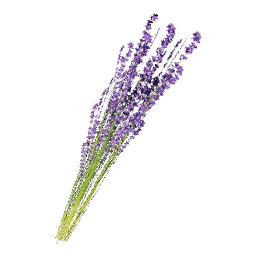
Lavender |
Awakens Spirit past its maximum limit when consumed. One of the signature plants among herbs, at the tip of its long stalk hangs a small, oval purple bud, its soft, sweet fragrance carried by the wind. Commonly found in Hernand. |
50 |
|||||||||||||||||||||||||||||||||||||||||||||||||||||||||||||||||||||||||||||||||||||||||||||||
|
|
Yellow Rosemary |
A herb of the mint family, it is characterized by its yellow leaves and distinctive scent. |
50 |
|||||||||||||||||||||||||||||||||||||||||||||||||||||||||||||||||||||||||||||||||||||||||||||||
|
|
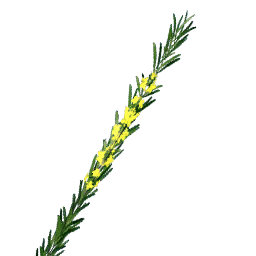
Yellow Lavender |
One of the signature plants among herbs, its yellow buds glow with warm, radiant energy, and their soft fragrance never fails to draw a smile. Most commonly found in Pailune and Delesyia. |
50 |
|||||||||||||||||||||||||||||||||||||||||||||||||||||||||||||||||||||||||||||||||||||||||||||||
|
|
Cotton |
A plant with soft, white fluff. The fibers are densely packed inside each ball, making it ideal for spinning into thread, and its cozy texture has long made it a beloved staple material for fabric and clothing. Cultivated in Demeniss and Delesyia. |
50 |
|||||||||||||||||||||||||||||||||||||||||||||||||||||||||||||||||||||||||||||||||||||||||||||||
|
|
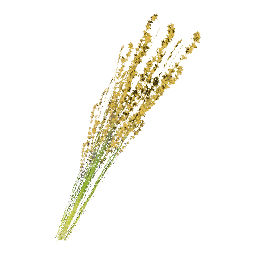
Dendrobium Orchid |
It clings to rocks and dead tree trunks as it grows, its stems twisting into a tangled mess before rising straight up, all while giving off a lovely fragrance. Once dried, it’s often brewed into tea, too. Commonly found in Hernand and Pailune. |
50 |
|||||||||||||||||||||||||||||||||||||||||||||||||||||||||||||||||||||||||||||||||||||||||||||||
|
|
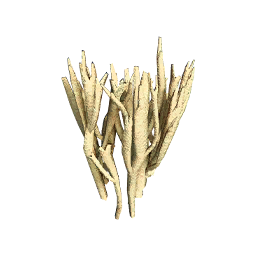
Satintail Root |
Considered a weed, it’s highly resilient and can hinder the growth of other crops. It’s used as feed for livestock and horses, and also for thatching roofs or weaving baskets. Most commonly found in Hernand. |
50 |
|||||||||||||||||||||||||||||||||||||||||||||||||||||||||||||||||||||||||||||||||||||||||||||||

|
|
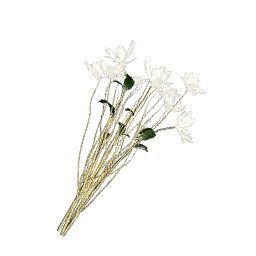
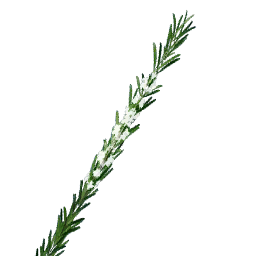
White Rosemary |
A herb of the mint family, known for its white petals, thin, sharp leaves, and a distinctive scent. It was used as a seasoning, and was even burned it to fend off contagious diseases. Commonly found in Delesyia. |
50 |
|||||||||||||||||||||||||||||||||||||||||||||||||||||||||||||||||||||||||||||||||||||||||||||||
|
|
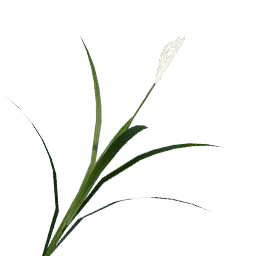
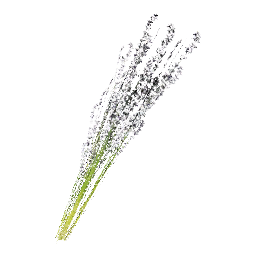
White Lavender |
One of the signature plants among herbs, the pristine white bud stirs a sense of clarity, and its gentle fragrance calms the heart. Found throughout Pywel, except for the desert. |
50 |
|||||||||||||||||||||||||||||||||||||||||||||||||||||||||||||||||||||||||||||||||||||||||||||||
|
|
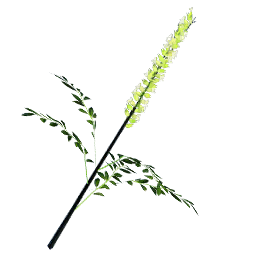
Shrubby Sophora |
Known for its twisted root, it’s intensely bitter and commonly used as a medicinal herb. It’s said to help with indigestion and neuralgia. Often found in southern regions of Pywel. |
50 |
|||||||||||||||||||||||||||||||||||||||||||||||||||||||||||||||||||||||||||||||||||||||||||||||
|
|
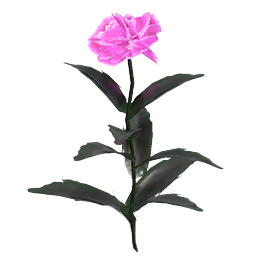
Peony |
A deciduous broadleaf shrub from the peony family, famed for producing up to 100 buds on a single plant. With its bold, eye-catching blooms, it brightens up gardens, and it’s also valued as a medicinal herb. Most commonly found in Hernand and Demeniss. |
50 |
|||||||||||||||||||||||||||||||||||||||||||||||||||||||||||||||||||||||||||||||||||||||||||||||
|
|
Pink Rosemary |
A herb of the mint family, known for its thin, sharp pink petals and a distinctive scent, and the oil extracted from it is said to help ease gastritis and headaches. Commonly found in Hernand. |
50 |
|||||||||||||||||||||||||||||||||||||||||||||||||||||||||||||||||||||||||||||||||||||||||||||||
|
|
Begonia |
Features edible stems that release a citrus-like aroma and add savory depth to soups. This collective term for |
50 |
|||||||||||||||||||||||||||||||||||||||||||||||||||||||||||||||||||||||||||||||||||||||||||||||
|
|
Dunbaria |
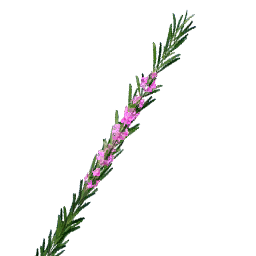
A vine-like perennial that sprawls over mountainsides and open fields. It grows on bright, sunny grounds, and its roots are both delicious and healthy, making it a staple in dishes. Often found in Delesyia. |
50 |
|||||||||||||||||||||||||||||||||||||||||||||||||||||||||||||||||||||||||||||||||||||||||||||||
|
|
Marigold |
A member of the aster family, its roots contain compounds that kill nematodes, while the sap from its flower stems and leaves, and even water steeped with its blossoms, releases a natural repellent that drives off flying insects. Commonly found throughout all southern regions in Pywel. |
50 |
|||||||||||||||||||||||||||||||||||||||||||||||||||||||||||||||||||||||||||||||||||||||||||||||

|
|
False Starwort |
Its look resembling a ginseng, it’s also referred to as the ‘false starwort.’ With both sweet and bitter notes, a decoction made by boiling the root is used to treat illnesses and boost vitality. Can be found throughout Pywel, except for the desert. |
50 |
|||||||||||||||||||||||||||||||||||||||||||||||||||||||||||||||||||||||||||||||||||||||||||||||
|
|
Snapdragon |
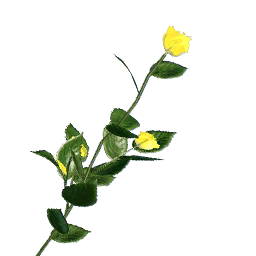
A plant of the figwort family, prized for its beautiful blooms and often grown for ornament. Traditionally, it was hung above a child’s cradle to ward off evil spirits, and it’s also used for medicinal purposes. Most commonly found in Demeniss. |
50 |
|||||||||||||||||||||||||||||||||||||||||||||||||||||||||||||||||||||||||||||||||||||||||||||||
|
|
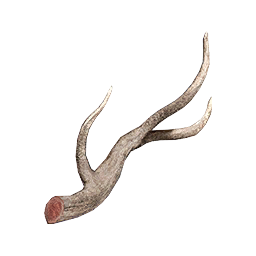
Short Horn |
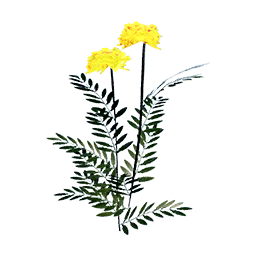
Small but sturdy, it can be processed and used in crafting. It can be reborn as a practical tool or a beautiful ornament, through the hands of an artisan. |
50 |
|||||||||||||||||||||||||||||||||||||||||||||||||||||||||||||||||||||||||||||||||||||||||||||||
|
|
Ginseng |
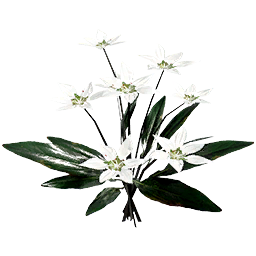
Known for its thick, split roots, it gives off a subtle fragrance and a bitter taste. Eating it boosts strength. Cultivated at Scholastone Institute for research purposes. |
50 |
|||||||||||||||||||||||||||||||||||||||||||||||||||||||||||||||||||||||||||||||||||||||||||||||
|
|
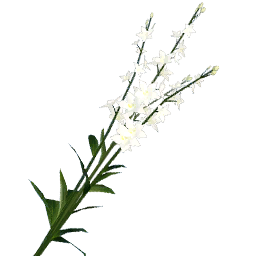
Bear's Gallbladder |
A dark green liquid obtained from bear gallbladder, with a strong bitter taste and aroma. It has an excellent effect for recovery, reducing fever, and detoxification, and is also processed into various forms for use. |
50 |
|||||||||||||||||||||||||||||||||||||||||||||||||||||||||||||||||||||||||||||||||||||||||||||||
|
|
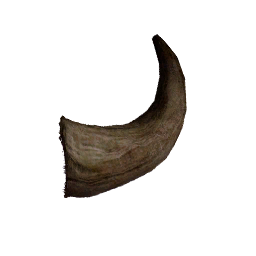
Long Horn |
Smooth and sturdy, with elegant curves, it is used for crafting handicraft and decorations, prized as an artisan’s material. Can be obtained from a gazelle or deer. |
50 |
|||||||||||||||||||||||||||||||||||||||||||||||||||||||||||||||||||||||||||||||||||||||||||||||
|
|
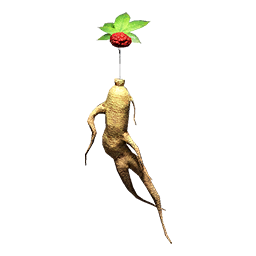
Croton |
The leaves are used for snake bites. But the extract from croton seeds is deadly, even in small amounts. Commonly found in Pywel, except for Crimson Desert, and most abundant of all in Demeniss. |
50 |
|||||||||||||||||||||||||||||||||||||||||||||||||||||||||||||||||||||||||||||||||||||||||||||||
|
|
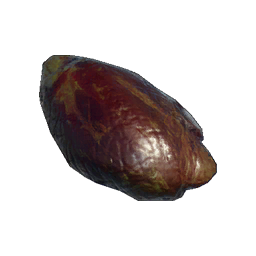
Lily of the Valley |
Its white, bell-shaped flower is fragrant but laced with toxicity, so only a small amount is used for medicinal purposes. Found in Pailune, as it thrives in cold climates. |
50 |
|||||||||||||||||||||||||||||||||||||||||||||||||||||||||||||||||||||||||||||||||||||||||||||||
|
|
Pansy |
It’s usually purple and symbolizes love and friendship, making it a flower often chosen to carry one’s heartfelt message. Found in extremely small amounts at Drywind Valley of Delesyia. |
50 |
|||||||||||||||||||||||||||||||||||||||||||||||||||||||||||||||||||||||||||||||||||||||||||||||
|
|
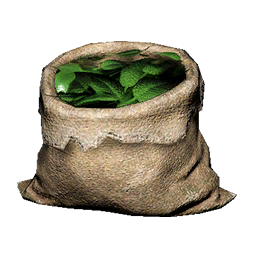
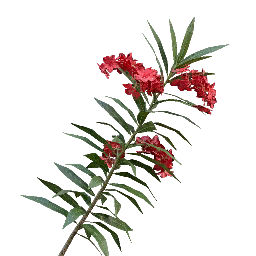
Rosebay |
Inflicts poison, but awakens Health past its maximum limit and grants faster attacks. Beautiful in appearance, but it can cause poisoning if ingested or touched, so caution is required. Grows naturally in the border between Crimson Desert and the southern area of Pywel. |
50 |
|||||||||||||||||||||||||||||||||||||||||||||||||||||||||||||||||||||||||||||||||||||||||||||||
|
|
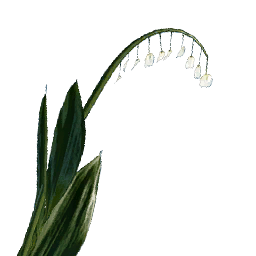
False Hellebore |
It looks almost identical to wild garlic, causing deadly mistakes, now and then, with poison strong enough to be used in pesticides. Found throughout Pywel, except for Crimson Desert. |
50 |
|||||||||||||||||||||||||||||||||||||||||||||||||||||||||||||||||||||||||||||||||||||||||||||||
|
|
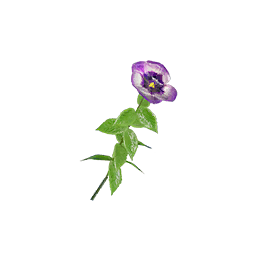
Red Croton |
A highly toxic variant of croton, its effect is much like ordinary croton, but far more lethal. Often found in the mountains of Hernand and Pailune. |
50 |
|||||||||||||||||||||||||||||||||||||||||||||||||||||||||||||||||||||||||||||||||||||||||||||||
|
|
Grisette Mushroom |
Its pure-white cap looks pristine, but it carries a lethal toxicity, earning it the nickname “Angel of Death.” Grows naturally in cool areas of Pailune but cannot survive in extreme cold. |
50 |
|||||||||||||||||||||||||||||||||||||||||||||||||||||||||||||||||||||||||||||||||||||||||||||||
|
|
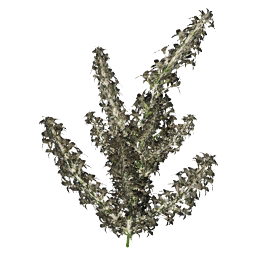
Poison Fire Coral Mushroom |
A vivid red mushroom that forks like a deer’s antlers. Beautiful to look at, but potent enough to cause severe poisoning even in tiny doses. Rarely found across the continent of Pywel and most commonly found in the southern areas of Delesyia. |
50 |
|||||||||||||||||||||||||||||||||||||||||||||||||||||||||||||||||||||||||||||||||||||||||||||||
|
|
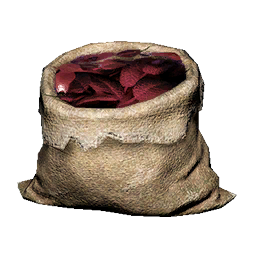
Coral Mushroom |
A wild mushroom with a coral-like, branching cap that flares outward, its striking shape is hard to miss. Grows naturally in Demeniss and Delesyia. |
50 |
|||||||||||||||||||||||||||||||||||||||||||||||||||||||||||||||||||||||||||||||||||||||||||||||
|
|
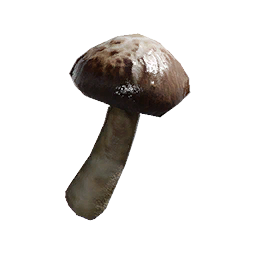
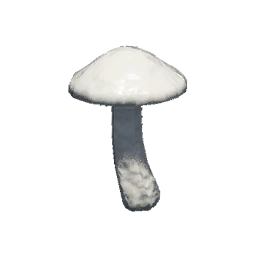
Oakwood Mushroom |
A mushroom with a short, stout stem and a broad brown cap, boasting a deep aroma and a satisfyingly hearty bite. Found commonly in Hernand and rarely in southern areas of Pailune. |
50 |
|||||||||||||||||||||||||||||||||||||||||||||||||||||||||||||||||||||||||||||||||||||||||||||||
|
|
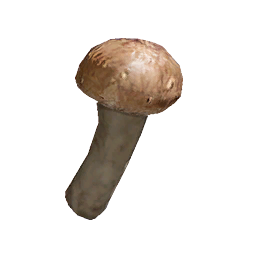
Pine Mushroom |
A refined mushroom with a soft brown cap and a crisp pine scent, leaving a fragrance that lingers long after. Found throughout the continent of Pywel, except for the desert. |
50 |
|||||||||||||||||||||||||||||||||||||||||||||||||||||||||||||||||||||||||||||||||||||||||||||||
|
|
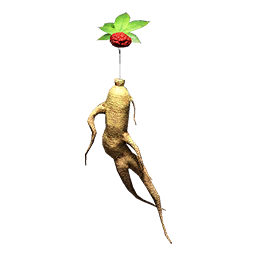
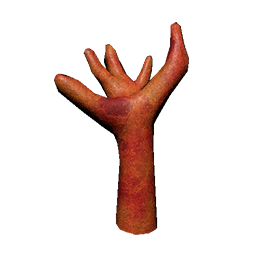
Wild Ginseng |
A precious medicinal plant with an earthy, bitter taste. Its outstanding healing effect is enough to make a wild ginseng a symbol of health. |
50 |
|||||||||||||||||||||||||||||||||||||||||||||||||||||||||||||||||||||||||||||||||||||||||||||||