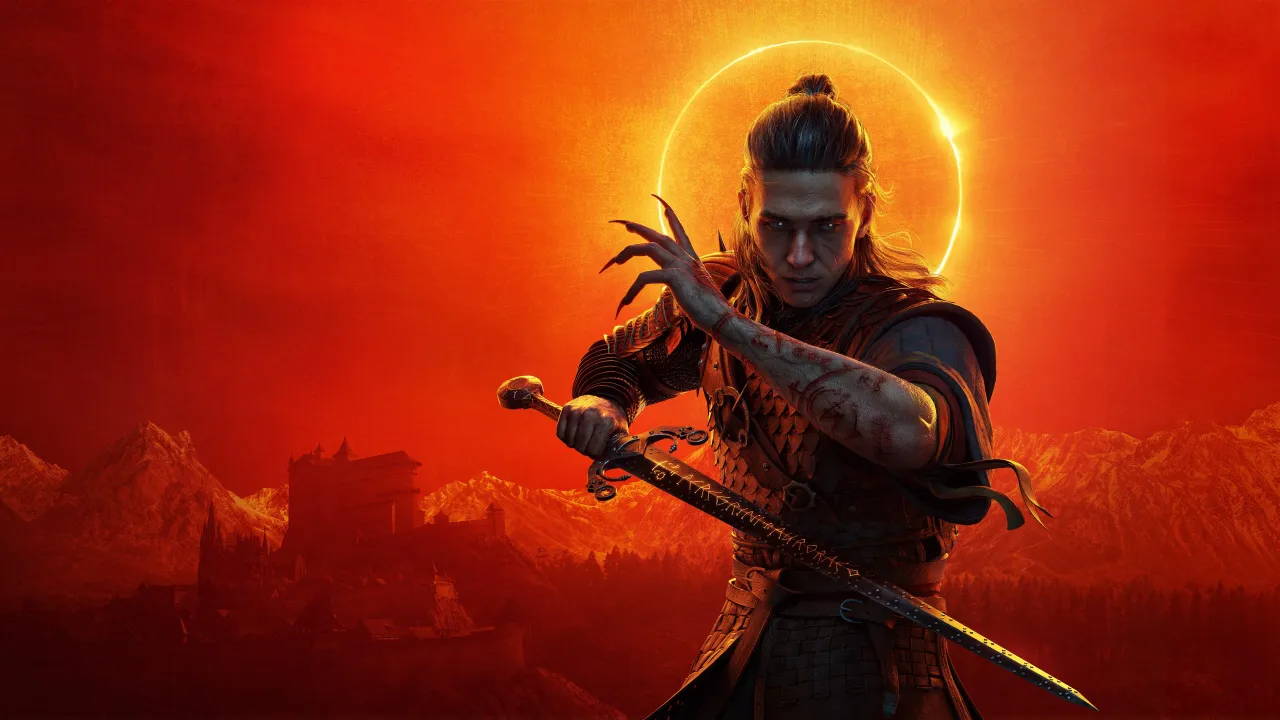
The Blood of Dawnwalker's ambitious narrative sandbox overcomes and outshines its Witcher similarities


Pros
- Incredible narrative framework
- Remarkable levels of flexibility, allowing you to follow what interests you the most
- Consequences and Choices
- Engaging narrative and characters that hook you
- Exciting and enjoyable vampire gameplay
Cons
- A little too Witcher-esque at times
- Some repeated open-world activities
- Soundtrack that lacks its own identity
Rebel Wolves’ debut title has felt like it has been gestating for a long while. Pitched as an ambitious, next-generation RPG that aims to craft a narrative sandbox, The Blood of Dawnwalker feels like a risk. But ultimately most of the risks it takes pay off. It’s an expansive, deep, complex RPG where every choice truly feels like it has an effect on your playthrough down the line.
At times it feels a tad too The Witcher-esque, and not everything works, but I can’t help but describe The Blood of Dawnwalker as fresh, exciting, and unlike any other AAA game narratively on the market today.
Every Moment Matters
Set in 14th-century Europe, ravaged by war, plague, and poverty, The Blood of Dawnwalker puts you in the shoes of Coen, a young man whose family is kidnapped by a group of vampires who have been waiting to come out of the shadows and claim their freedom when humanity is at its lowest.
Coen ends up becoming a Dawnwalker, someone who can walk around both day and night, possessing vampiric abilities and also maintaining his human form. Blessed with that gift, he has just 30 days and 30 nights to save his family before they are sacrificed by Brencis, the leader of this vampire group, as a show of power.
But those 30 days and 30 nights Coen has to save his family are not just a farcical time restriction that means nothing; it is a straitjacket placed on you that forces you to debate, decide, and deliberate about what you do…
The hunt for your family is the main push factor in the story here, but Rebel Wolves does a great job of investing you in Coen and his family early on to want to work towards that goal. Excellent voice acting, performances, narrative pacing early in the game, and the mystery of the vampires who emerge from the shadows all pull you towards the narrative instead of fooling around in the open world. In fact, the only aspect here that doesn’t stand up is the lip-sync, which is often not very accurate, which is a shame for a character-based RPG like this.
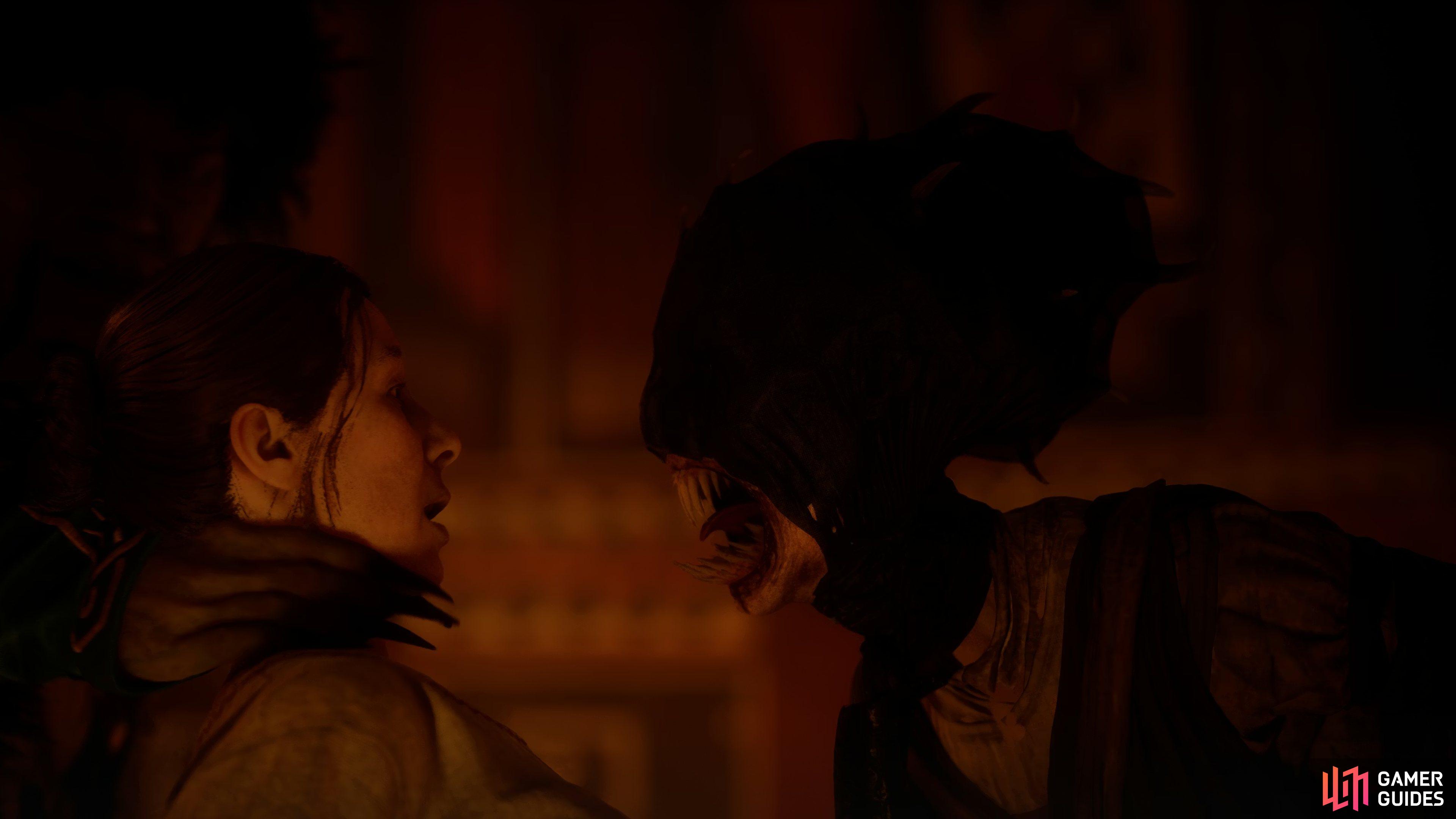
The hunt for Coen’s family begins after a mass doesn’t go quite as expected.
But those 30 days and 30 nights Coen has to save his family are not just a farcical time restriction that means nothing; it is a straitjacket placed on you that forces you to debate, decide, and deliberate about what you do, where you spend your time, and who you help in the vast open valley to explore.
While the game isn’t on a live day-night cycle, specific actions slowly fill up the time gauge (which is filled with eight segments) and progress the day or night forward. In reality, this looks like the following:
Most quests skip one to three segments. Choosing to stay with NPCs or characters, travelling with them back to their homes, or helping them out in extra ways beyond what was necessary for a quest will move time forward by a few segments, while learning a skill will also skip time forward. There are also smaller ways time can progress within each quest, but those are the important areas.
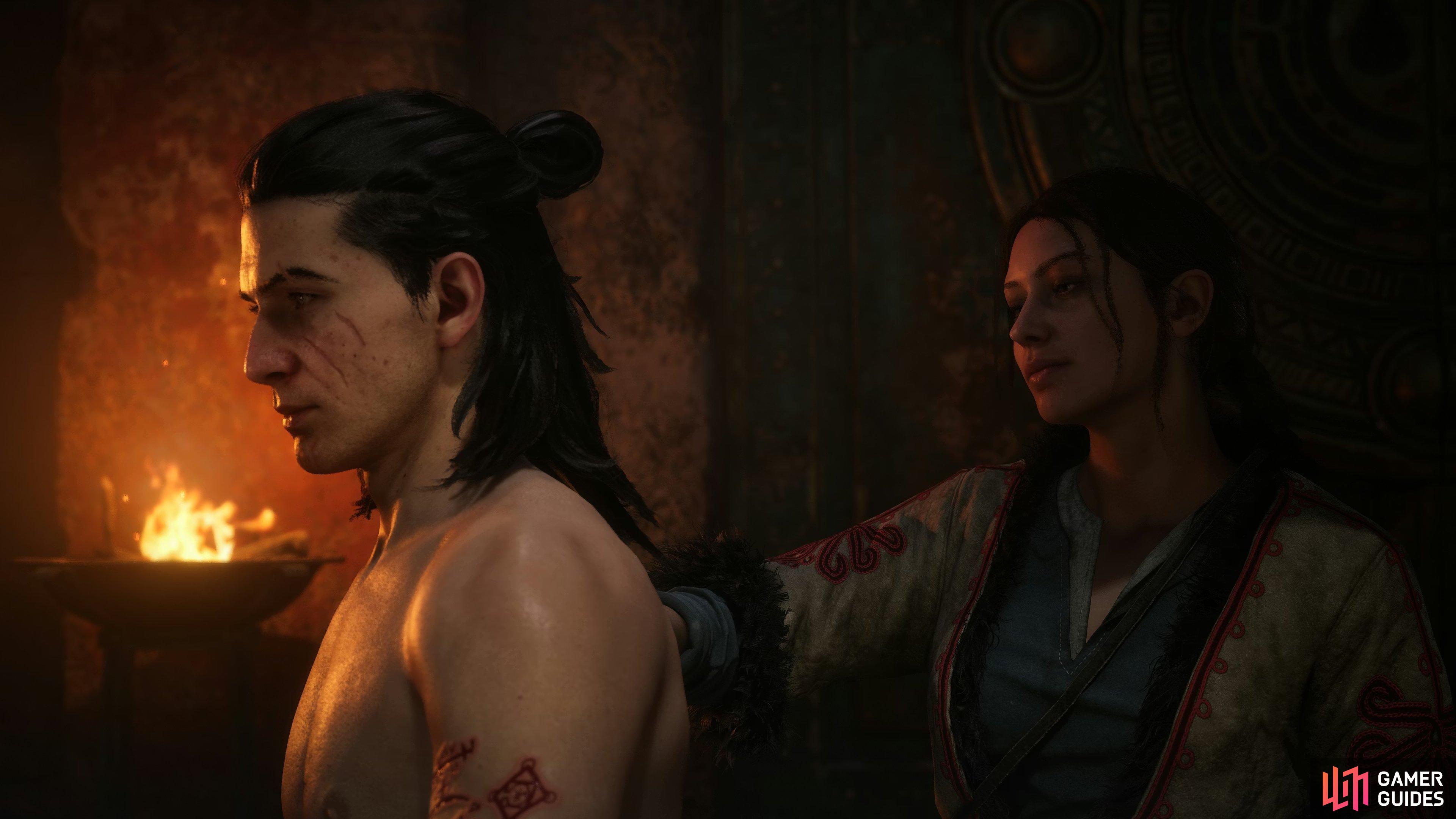
Not everyone will be worth spending your time with in the end, but you have to explore that in one playthrough to better spend your time in the next.
You do not have time for everyone, and the world feels like it is moving because of this system that is implemented extremely well. It felt like a framework to explore Dawnwalker’s world within rather than a countdown clock constantly looking down at me. During my main playthrough of the game, I decided to just focus on not acquiring skills and wasting time, and I never felt like I was being held back when it came to combat, still able to compete. Yes, combat became a little bland because I wasn’t learning additional skills across the three trees, but I never got progression gated or blocked by this system.
Just How Malleable Is It?
With a system like this, you may be wondering just how malleable the story and gameplay experience is. Well, the answer is: extremely. Because of this 30-day and 30-night limitation, you can focus on specific areas, approach the game with broad strokes, race towards Brencis, the big bad, focus on weakening his allies who control the vampire forces and blood supply, or spend all your time completing small quests and tasks for village folk.
My initial playthrough involved trying to completely weaken every aspect of Brencis’ rule by tackling several menu activities related to the Vampire Court. This is a list of activities connected to three vampire leaders that control various aspects of his rule. Each has around a dozen tasks to check off that, for the most part, repeat across the open world. But there are slight variations each time you complete them. I do wish they were a bit more inventive than “destroy the blood barrels in the cellar” or “kill the enemies on this prisoner transport”.
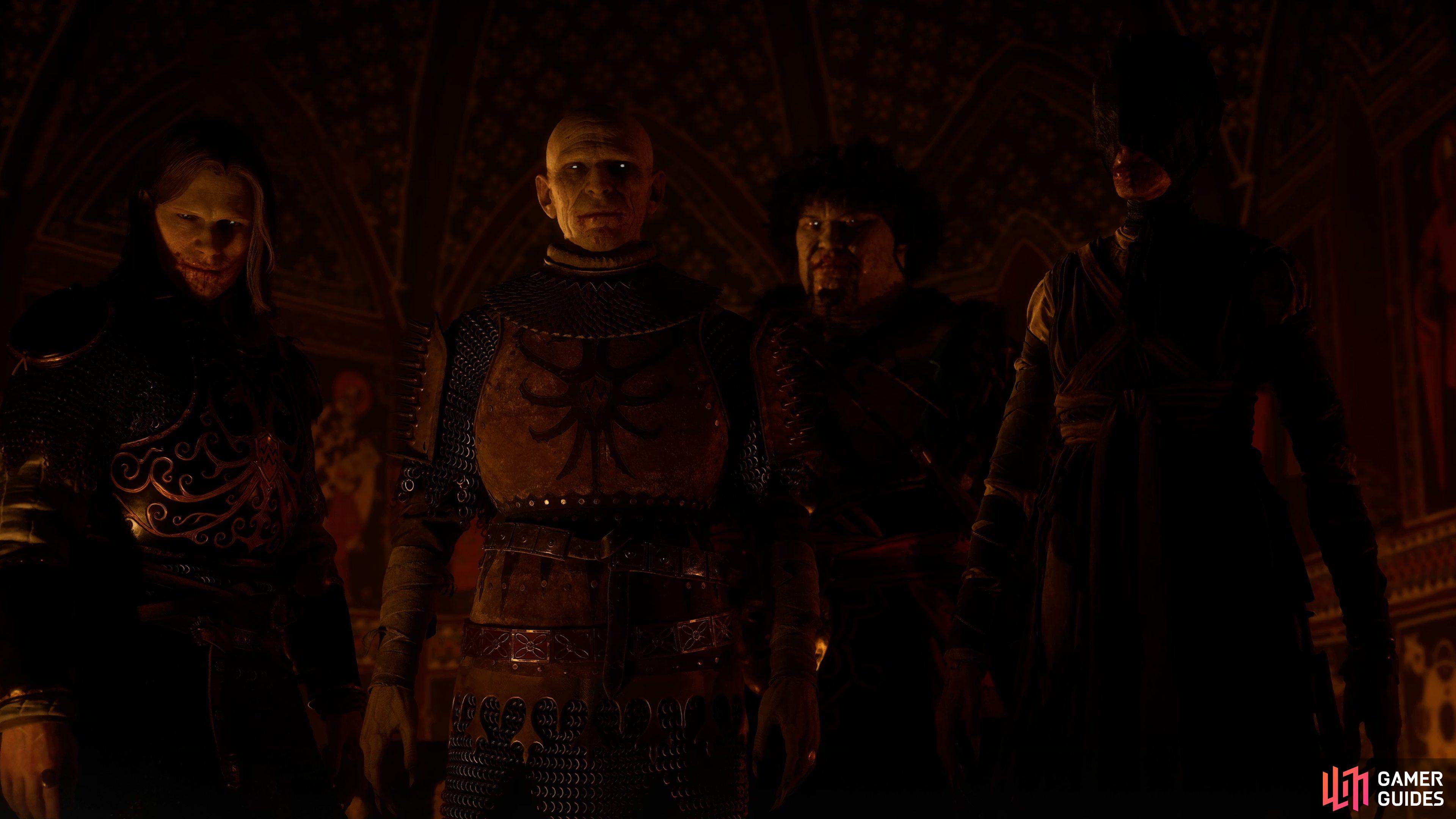
The designs for each of these characters is amazing, as is the open world and environment design throughout The Blood of Dawnwalker.
Each time you complete these activities, Brencis adds additional support to the open world, in the form of more guards or more obstacles to clear as you explore, making traversal and exploration harder. This allows you to decide just how difficult you want to make the experience, and you can stop after completing just one activity in this Court section of the menu, weaken one of the vampire leaders, or weaken all of them.
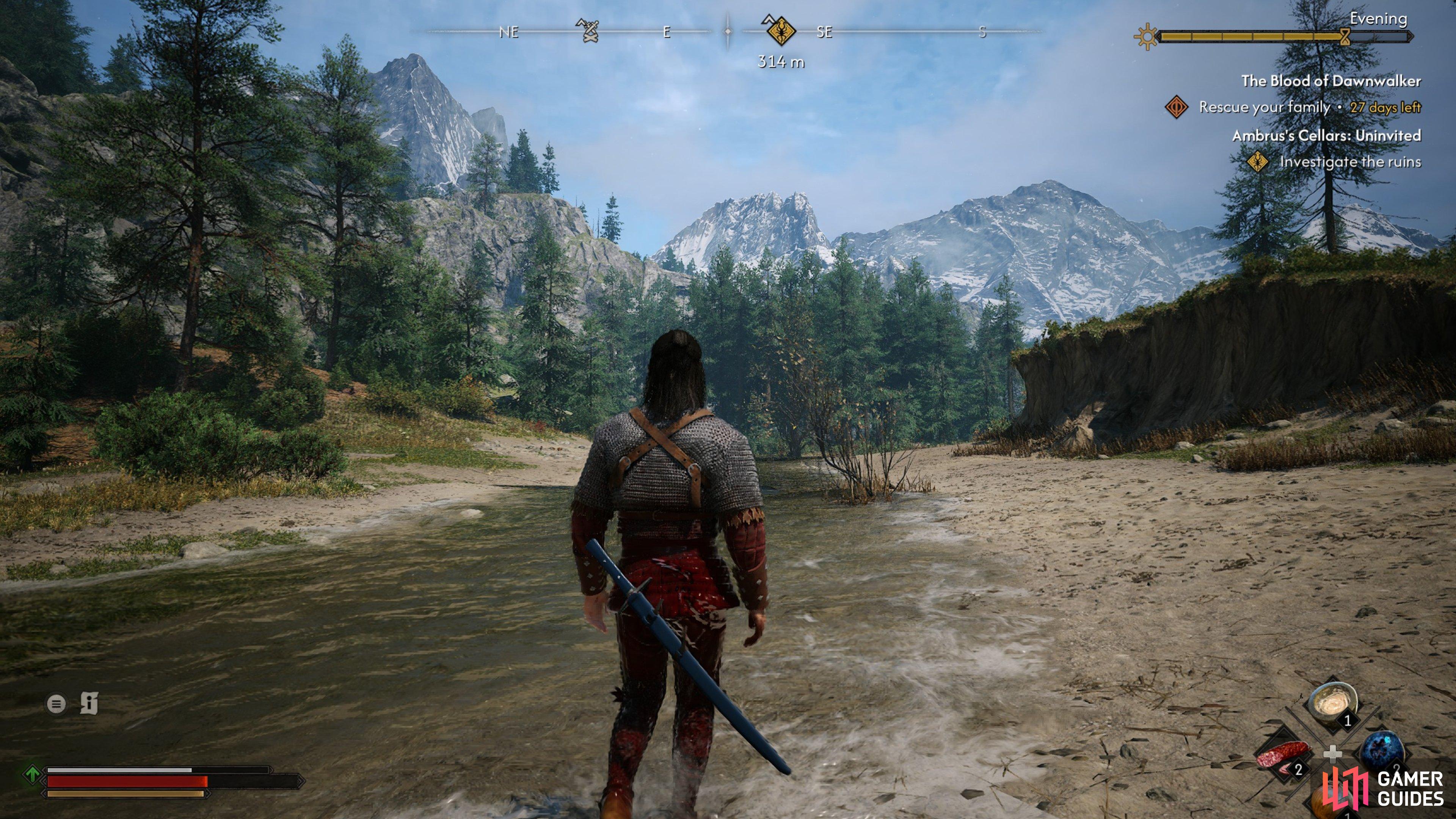
Exploring can go from wandering the open valley, to having to be on guard for Brencis’ forces dotted around the countryside.
That is just one example, but you can find entire characters and questlines in some of these activities, with the option to kill them upfront because they helped Brencis, or leave them alive and potentially open up new opportunities down the line. Sometimes these characters have no further story, but other times they do and can allow you to approach the rest of the game in a different way than what you originally intended because of their knowledge, abilities, or familiarity with Brencis’ rule.
Beyond that, you can approach the game in entirely different ways. You can kill Brencis in the prologue. Past that prologue, you can completely ignore any quest and just complete several side activities. You can choose to max out your skills and combat capabilities across the three different skill trees to become the strongest you can possibly be and take on Brencis that way. You can b-line straight for Brencis. You can complete every NPC quest and build up your roster of allies. Most of these quests are multi-layered stories that are where the real narrative meat-and-bones are found, all supported by excellent characters that you truly grow fond of.
The consequences for following certain paths and ignoring others can range from small cutscene changes to entire characters being killed off who had a lot of time left if you had made a different choice.
You can do a mixture of all of this. You can even let your family die. You can play the entire game at night or day, halving the amount of time you have but fully living the vampire or human role-playing experience. The consequences for following certain paths and ignoring others can range from small cutscene changes to entire characters being killed off who had a lot of time left if you had made a different choice.
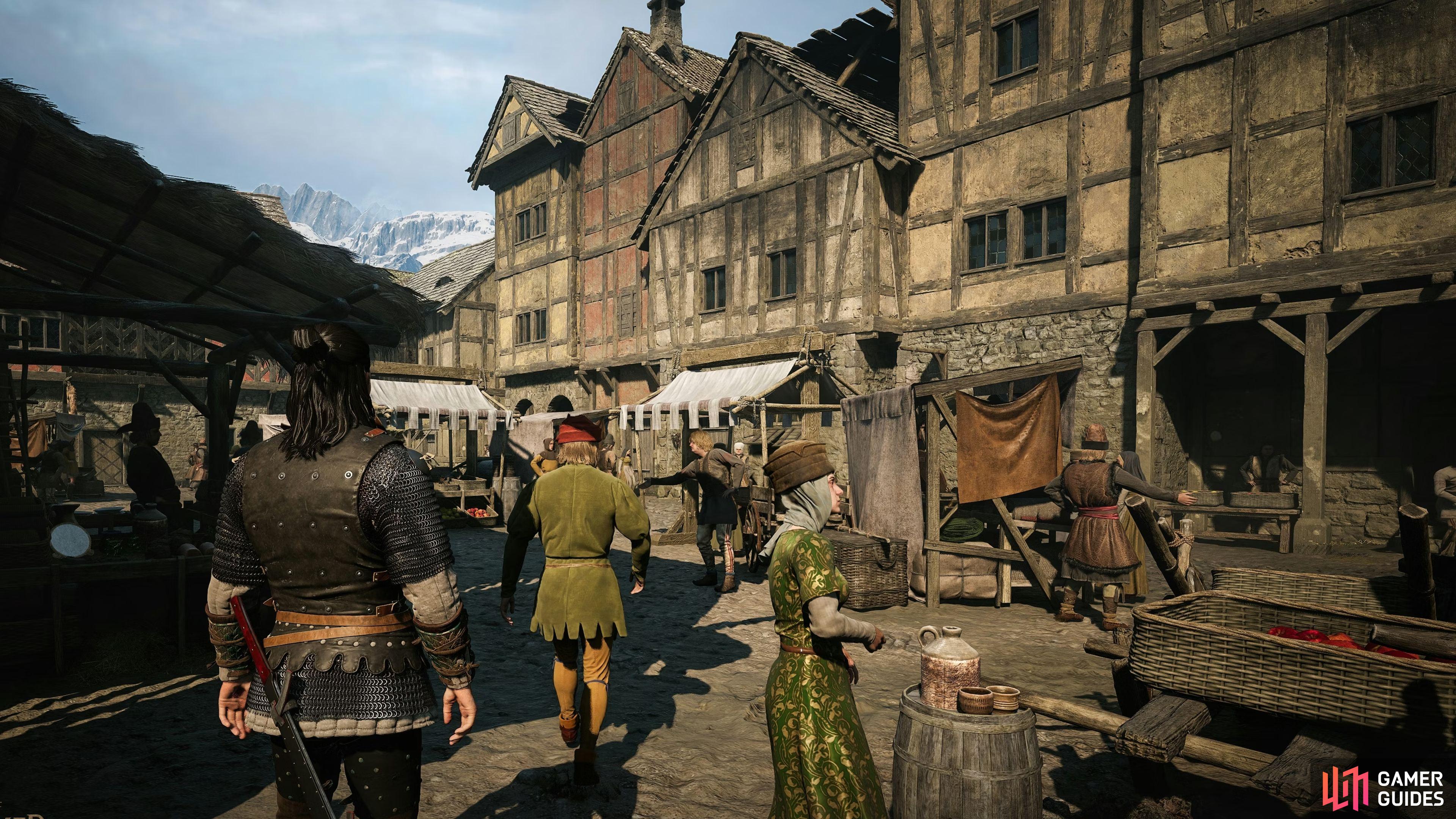
Big cities and villages hold lots of opportunities to discover new characters that could help or hinder you.
Rebel Wolves describe The Blood of Dawnwalker as a narrative sandbox, and I think they have achieved what they set out to do here. This is by far the most malleable modern RPG I have ever played, narratively, and unlike anything else in the AAA space. There is often an illusion of choice or a few paths to pick, but The Blood of Dawnwalker feels like a mosaic, built from where you spend your time, who you meet, and what you do.
Witcher in all but Name
Besides the narrative and the exploration, combat is the third pillar of The Blood of Dawnwalker, and it is by far the weakest area. It’s not doing anything particularly special or bold like the narrative and open world are, besides being able to fight with a traditional sword or vampiric claws and abilities at night. Those finishers and aspects of the vampire combat and exploration are exciting and something we haven’t seen realized in this level of detail before.
I think there was an opportunity to explore the more gruesome aspects of vampire lore and combat that rely a little less on traditional swordplay or flashy slow-mo finishers.
Sword combat feels extremely similar to The Witcher 3, but not quite as polished. It does the job, but I found playing as a vampire far more fun, as the game’s blocking and parrying system with a sword requires directional inputs that become hard to manage when you are being attacked by multiple enemies or from behind and the side.
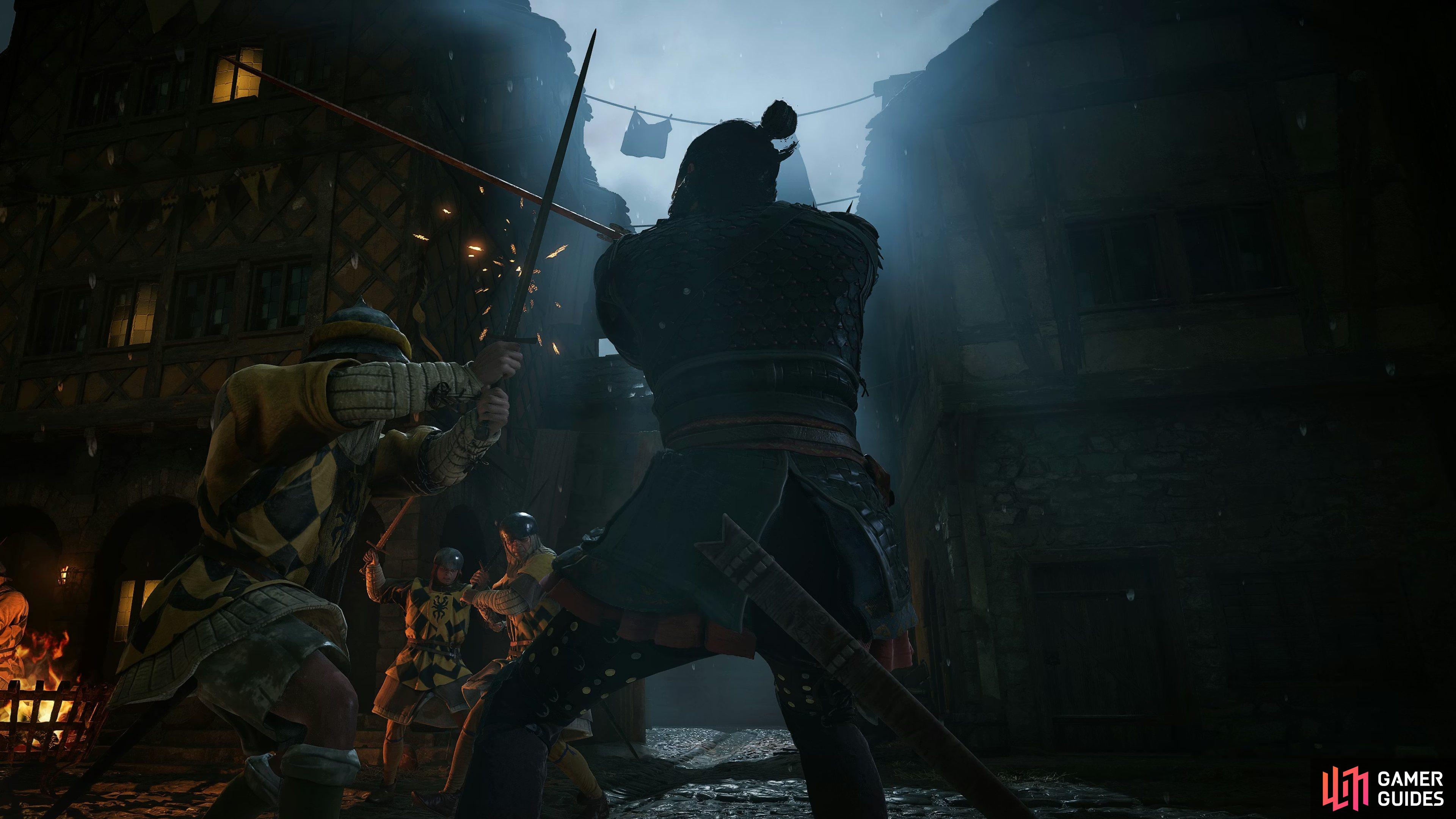
Sword combat doesn’t quite hold up to the vampire combat abilities or the ambitious and bold narrative structure.
The various skills you learn as both a human and a vampire do allow you to disable enemies in a group, allowing for more focused one-on-one combat, but there is always a lot of combat management required mid-fight that drags down the actual fun of it. Paired with that combat is an equipment and gear screen that feels unremarkable in 2026. Tiered loot, different armor pieces to equip, weapons with small stat buffs. It’s all completely fine and acceptable; none of it is bad, but it doesn’t match the ambition of the game’s narrative and story.
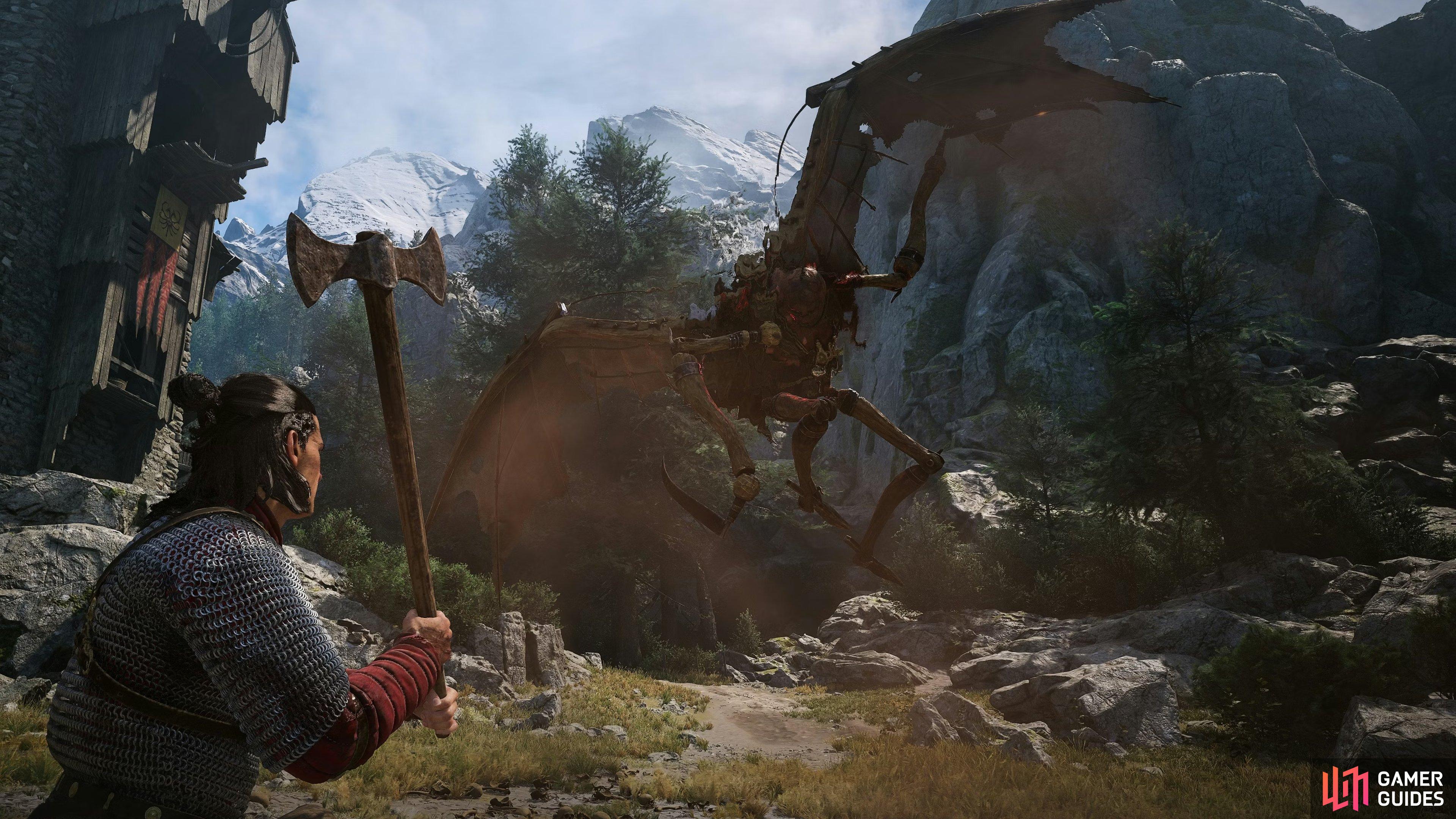
Thankfully, enemy designs do start to vary as you get further into the game, beyond just humanoid vampires.
Similarly, at times the music and presentation of this combat, with slow-mo final finishers, often feel lacking in identity and like it is just trying to be The Witcher. Some natural similarities are expected given Rebel Wolves is made up of a large chunk of The Witcher 3’s development team, but at points the familiarity is almost silly. If you had told me several music tracks from The Blood of Dawnwalker were actually from The Witcher 3, I wouldn’t be able to tell the difference. I think there was an opportunity to explore the more gruesome aspects of vampire lore and combat that rely a little less on traditional swordplay or flashy slow-mo finishers.
Even still, The Blood of Dawnwalker is a mighty and magnificent RPG. While some of its open-world activities feel a little formulaic and combat a tad too Witcher-esque, the bold narrative sandbox Rebel Wolves set out to create has been fully realized here. There’s a lot to do, a lot to miss, and a lot to discover in the game, and you cannot do everything in one, two, or even potentially three playthroughs, allowing for a lot of replayability and opportunities to fully explore Coen’s story and the wider world in different ways.
The Blood of Danwalker is consistently impressive narratively and lays the foundation for what can be done with RPGs if studios are willing to take more risks with their story and trust their players a little bit more.
A True Narrative Sandbox
The Blood of Dawnwalker is a true narrative sandbox with a malleable and flexible structure that allows you to play your way and see where the wind takes you. While its combat isn’t as strong, the game’s narrative framework is consistently mesmerizing.
Gameplay:
Sound:
Graphics:
Story:
Value Rating:

No Comments