| Icon | Title | Category | Subcategory |
|---|
Animal
| Icon | Title | Details | Max Stack | |||||||||||||||||||||||||||||||||||||||||||||||||||||||||||||||||||||||||||||||||||||||||||||||
|---|---|---|---|---|---|---|---|---|---|---|---|---|---|---|---|---|---|---|---|---|---|---|---|---|---|---|---|---|---|---|---|---|---|---|---|---|---|---|---|---|---|---|---|---|---|---|---|---|---|---|---|---|---|---|---|---|---|---|---|---|---|---|---|---|---|---|---|---|---|---|---|---|---|---|---|---|---|---|---|---|---|---|---|---|---|---|---|---|---|---|---|---|---|---|---|---|---|---|
|
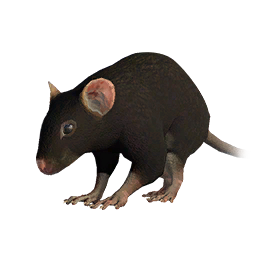
Rat |
Voles, small yet clever creatures, dig burrows and rest inside them during the day, venturing out at night to forage. Unlike hamsters, they neatly store food like grains and plant roots in their tunnels, displaying remarkable organization. |
1 |
|||||||||||||||||||||||||||||||||||||||||||||||||||||||||||||||||||||||||||||||||||||||||||||||
|
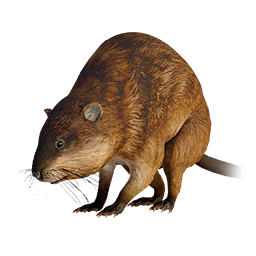
Muskrat |
|
1 |
|||||||||||||||||||||||||||||||||||||||||||||||||||||||||||||||||||||||||||||||||||||||||||||||
|
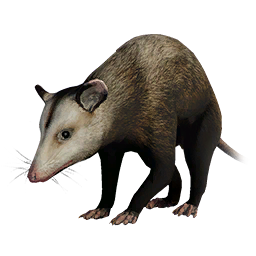
Opossum |
Nature has endowed opossums with exceptional acting skills. They can convincingly play dead, to the point where not even smart predator will maintain interest upon seeing what appears to be a lifeless carcass. While pretending to be dead, they foam at the mouth and emit an unpleasant odor. |
1 |
|||||||||||||||||||||||||||||||||||||||||||||||||||||||||||||||||||||||||||||||||||||||||||||||
|
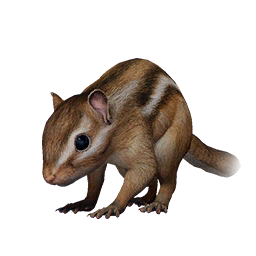
Chipmunk |
|
1 |
|||||||||||||||||||||||||||||||||||||||||||||||||||||||||||||||||||||||||||||||||||||||||||||||
|
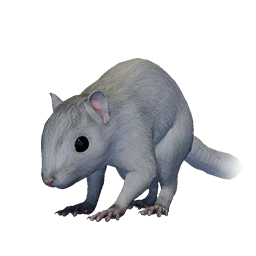
Snowfield Chipmunk |
These chipmunks are known for their ability to hibernate for long periods, enduring extreme cold by lowering their body temperature to just above freezing. They primarily feed on seeds, berries, and small plants, storing food in their burrows. |
1 |
|||||||||||||||||||||||||||||||||||||||||||||||||||||||||||||||||||||||||||||||||||||||||||||||
|
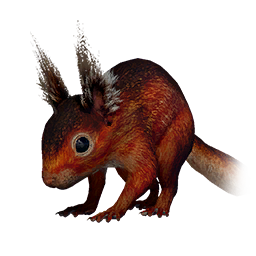
Red Squirrel |
Red squirrels are small, tree-dwelling rodents known for their vibrant reddish-brown fur and bushy tail. They are mostly active during the day and are known for their agility and speed as they navigate treetops. Unknown to many, they can also swim using their tails as a float to help steer through water. |
1 |
|||||||||||||||||||||||||||||||||||||||||||||||||||||||||||||||||||||||||||||||||||||||||||||||
|
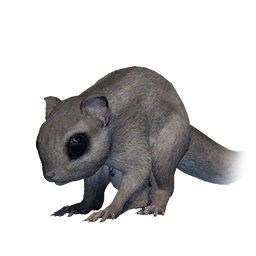
Flying Squirrel |
A rodent that glides between trees using the membrane stretched between its front and back legs. It has large eyes and a body covered with soft fur, and is active at night, moving dexterously between tree branches. It mainly eats nuts, fruit, and leaves, and lives in a nest located high up. While gliding, it freely changes direction to avoid predators or find food. |
1 |
|||||||||||||||||||||||||||||||||||||||||||||||||||||||||||||||||||||||||||||||||||||||||||||||
|
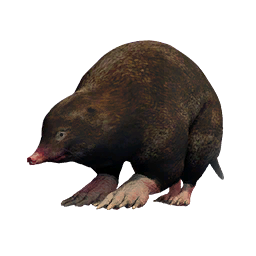
Mole |
|
1 |
|||||||||||||||||||||||||||||||||||||||||||||||||||||||||||||||||||||||||||||||||||||||||||||||
|
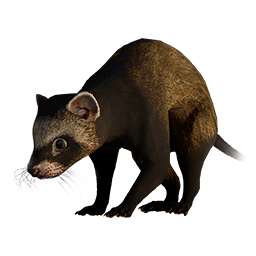
Meerkat |
A social mammal with a small, slender body and a long tail, it lives in groups in deserts and grasslands. It has a habit of standing on its hind legs to keep watch on its surroundings, and cooperates with others to find food and watch for predators. It mainly eats insects, small reptiles, and plant roots, and lives in burrows. |
1 |
|||||||||||||||||||||||||||||||||||||||||||||||||||||||||||||||||||||||||||||||||||||||||||||||
|
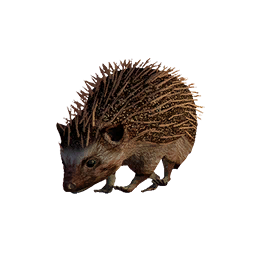
Baby Hedgehog |
Hedgehogs are nocturnal creatures with a voracious appetite, capable of eating a third of their body weight in one night. While omnivorous, they mainly consume insects and larvae. According to a legend, some hedgehogs in a town carry a golden apple on their back. |
1 |
|||||||||||||||||||||||||||||||||||||||||||||||||||||||||||||||||||||||||||||||||||||||||||||||
|
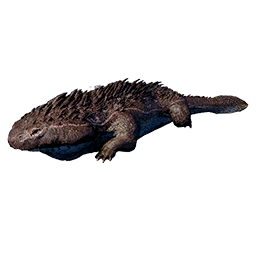
Burrowing Salamander |
A salamander that makes a burrow in the ground or between rocks, with moist skin and a long, soft body. It prefers humid and shaded environments and mainly eats insects or small invertebrates. During the breeding season, it comes to the water’s edge to lay eggs, and for the rest of the time, it lives sneaking in the burrow. |
1 |
|||||||||||||||||||||||||||||||||||||||||||||||||||||||||||||||||||||||||||||||||||||||||||||||
|
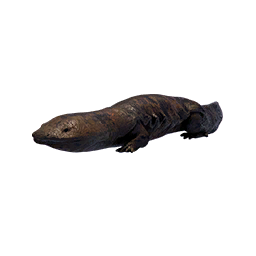
Salamander |
|
1 |
|||||||||||||||||||||||||||||||||||||||||||||||||||||||||||||||||||||||||||||||||||||||||||||||
|
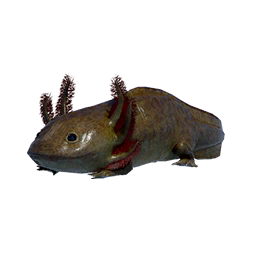
Axolotl |
An amphibian nicknamed the “walking fish,” known to inhabit lakes. It possesses the remarkable ability to regenerate any part of its body - including limbs, spinal cord, heart, and even portions of its brain. |
1 |
|||||||||||||||||||||||||||||||||||||||||||||||||||||||||||||||||||||||||||||||||||||||||||||||
|
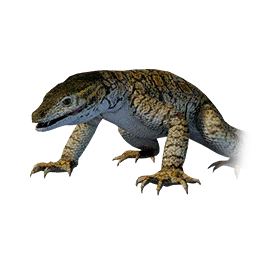
Goanna |
|
1 |
|||||||||||||||||||||||||||||||||||||||||||||||||||||||||||||||||||||||||||||||||||||||||||||||
|
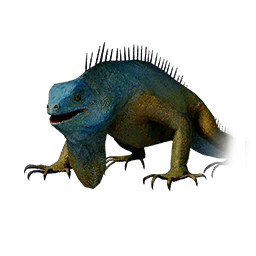
Iguana |
|
1 |
|||||||||||||||||||||||||||||||||||||||||||||||||||||||||||||||||||||||||||||||||||||||||||||||
|
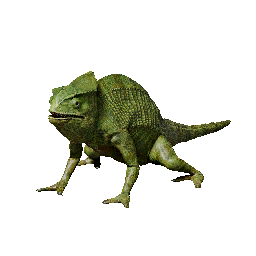
Chameleon |
|
1 |
|||||||||||||||||||||||||||||||||||||||||||||||||||||||||||||||||||||||||||||||||||||||||||||||
|
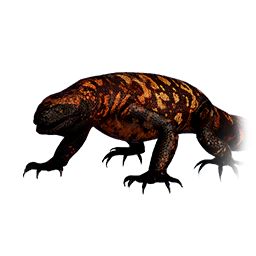
Heloderma Lizard |
The heloderma lizard is a large, venomous lizard with black and orange bead-like scales. These lizards are primarily terrestrial and are found in arid desert regions, where they spend most of the time in burrows to avoid the heat. Their venom, delivered through grooves in their teeth, is used primarily for defense rather than hunting. |
1 |
|||||||||||||||||||||||||||||||||||||||||||||||||||||||||||||||||||||||||||||||||||||||||||||||
|
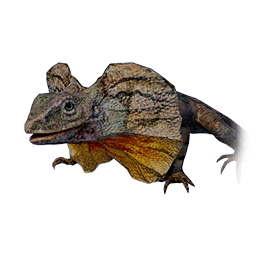
Frilled-neck Lizard |
A reptile that can open a large fan-shaped frill around its neck. When it feels a threat, it opens its frill and opens its mouth to surprise the opponent. It has a long, slender body and strong legs, and can move fast both on trees and on the ground. It eats insects and small animals and lives in dry regions or forest edges. |
1 |
|||||||||||||||||||||||||||||||||||||||||||||||||||||||||||||||||||||||||||||||||||||||||||||||
|
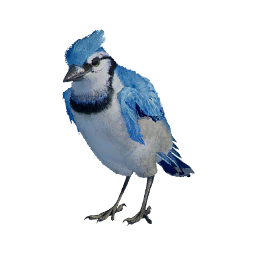
Blue Jay |
A striking blue bird known for its unique habit of hiding acorns to eat later. It can bury up to 5,000 acorns in a year, relying on its keen spatial memory to recover these hidden treasures. |
1 |
|||||||||||||||||||||||||||||||||||||||||||||||||||||||||||||||||||||||||||||||||||||||||||||||
|
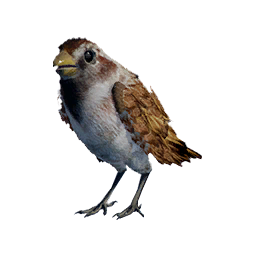
Sparrow |
Unlike many other birds, sparrows often wake up at dawn or even earlier. The early morning songs of male sparrows are not just to claim territory, but also to inform other sparrows about the availability of food sources. They are some of the first birds to begin their activities at the start of each day. |
1 |
|||||||||||||||||||||||||||||||||||||||||||||||||||||||||||||||||||||||||||||||||||||||||||||||
|
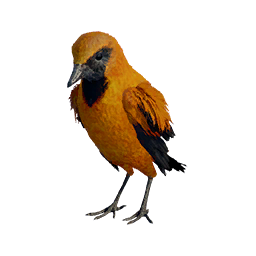
Black-Naped Oriole |
Orioles have a sweet tooth and are particularly attracted to nectar, especially from flowering trees like honeysuckle or red maple. To obtain nectar, they use their specialized beaks, which are long and slender, perfectly designed for sipping from flowers. They also enjoy fruit like oranges, making them a common visitor to bird feeders with fruit offerings. |
1 |
|||||||||||||||||||||||||||||||||||||||||||||||||||||||||||||||||||||||||||||||||||||||||||||||
|
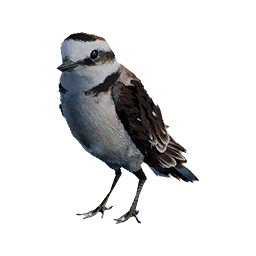
Kentish Plover |
Plovers have an unusual method of feeding. They “foot-tremble” to stir up the sand or mud, causing small invertebrates to move. Once the prey is in motion, the plover quickly snatches it up with its sharp beak. This technique is highly effective in shallow coastal waters and mudflats. |
1 |
|||||||||||||||||||||||||||||||||||||||||||||||||||||||||||||||||||||||||||||||||||||||||||||||
|
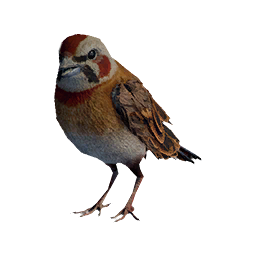
Meadow Bunting |
Meadow buntings are known for their distinctive, melodious songs. Their songs are used primarily by males to establish territory and attract mates. Interestingly, they can vary the complexity of their songs based on their age and experience, with older males often having more intricate calls. |
1 |
|||||||||||||||||||||||||||||||||||||||||||||||||||||||||||||||||||||||||||||||||||||||||||||||
|
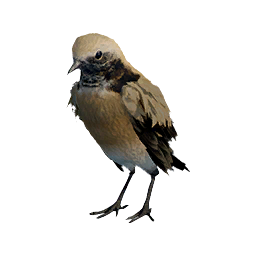
Desert Wheatear |
Desert wheatears are highly adapted to extreme heat. They minimize movement and conserve energy during the hottest hours of the day, trapping as much moisture as possible. Thanks to these adaptations, they can survive in temperatures where even breathing is difficult, allowing them to thrive in arid regions without trouble. |
1 |
|||||||||||||||||||||||||||||||||||||||||||||||||||||||||||||||||||||||||||||||||||||||||||||||
|
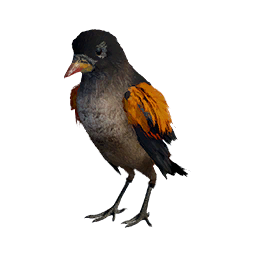
Yellow-Billed Oxpecker |
In addition to eating ticks, yellow-billed oxpeckers have been observed scavenging wounds on large mammals. They have sharp, specialized beaks that allow them to dig into cuts and feed on exposed tissue, which provides a steady source of nutrition, though it creates a clearly parasitic relationship. |
1 |
|||||||||||||||||||||||||||||||||||||||||||||||||||||||||||||||||||||||||||||||||||||||||||||||
|
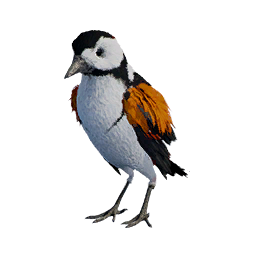
Three-Toed Woodpecker |
Three-toed woodpeckers are one of the first species to return to areas affected by forest fires. The charred trees they prefer are rich in insects like bark beetles, which thrive in the burned wood, making it a perfect food source for these resilient birds. |
1 |
|||||||||||||||||||||||||||||||||||||||||||||||||||||||||||||||||||||||||||||||||||||||||||||||
|
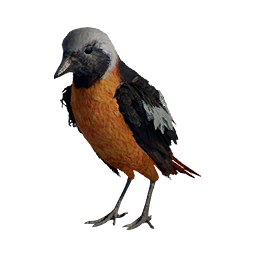
White-winged Redstart |
The white-winged redstart has a unique ability to detect ultraviolet light, a feature not common in most birds. This UV sensitivity is believed to help them identify subtle markings on flowers or other birds, aiding in foraging and selecting mates based on their plumage quality. |
1 |
|||||||||||||||||||||||||||||||||||||||||||||||||||||||||||||||||||||||||||||||||||||||||||||||
|
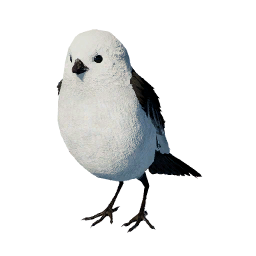
Long-Tailed Tit |
|
1 |
|||||||||||||||||||||||||||||||||||||||||||||||||||||||||||||||||||||||||||||||||||||||||||||||


