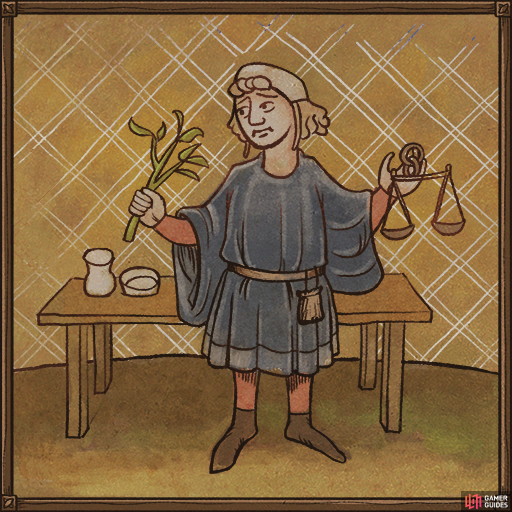
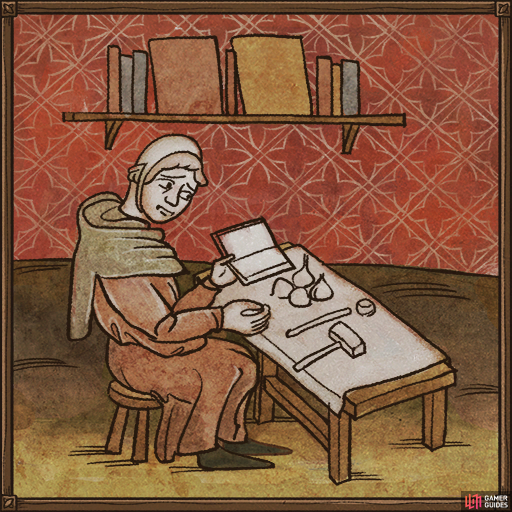
The apothecary prepared medicines according to carefully studied prescriptions that were passed down through generations. It was one of the few professions that were not organized into guilds. Making medicines was a difficult job and carried a lot of responsibility. An apothecary had to be university-educated and knowledgeable not only in Latin but also in Greek, and had to be able to carefully measure exact doses of medicines and ensure that ingredients were always available. If there was no apothecary in town, a monastic hospital would be available. And if neither was available, people would use the services of wise women, folk herbalists, and lay healers or ointment makers, who were called charlatans. Their methods of treatment were controversial because, in addition to making elixirs and ointments, they used not only herbs but also spells, amulets, and sometimes very unusual ingredients such as “frog venom” or “a hanged man’s finger.”
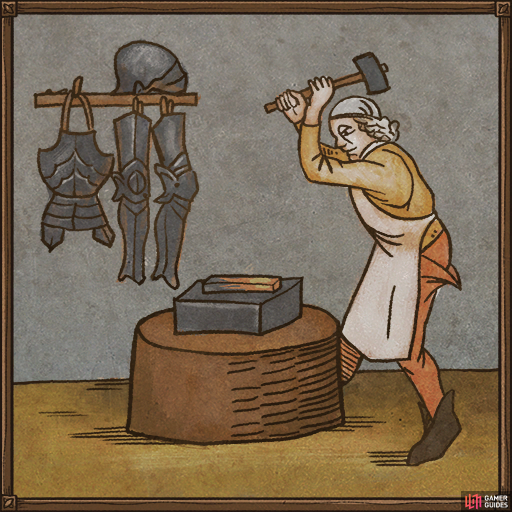
The medieval armourer made armour from metal plates or sheets – cuirasses, leg and arm protection, helmets, and gauntlets. A specialist in chainmail was called a maille smith, and in practice, equipping a heavily armoured soldier required both. Chainmail was worn underneath, with plating on top. An ordinary soldier used only parts of the armour (cuirass, helmet, and gauntlets), as few could afford full armour. Decorated or custom-made armour was the privilege of the wealthy nobility. Armourers were assisted by polishers, who polished and buffed the armour.
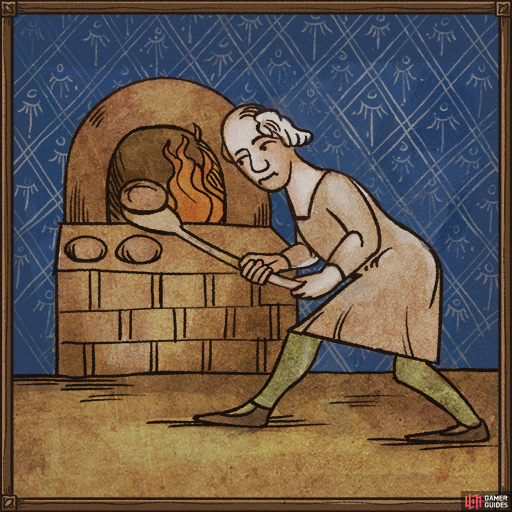
Although everyone in the village would know how to make bread and flat breads, there were bakers in the larger towns and noble courts. Initially the term ‘baker’ referred not so much to the person who baked, but the one who took the baked goods to market. Over time, they specialised in baking itself and acquired guild status, which, of course led to rights disputes, because the bakers resented baked goods being sold at markets by non-guild villagers. It was only later that regulations were laid down to make the sale of bread the exclusive domain of the guilds. The quality of baked goods was supervised by Councillors, or the municipal measurer. If the flour was bad, they didn’t like its colour or the baker gave short weight, he was fined. If there were recurrences, he was expelled from the guild and subjected to harsh physical punishment. It is said that King Wenceslas himself used to visit the town market to inspect the quality of Prague baked goods, and punished dishonest bakers by publicly dunking them in the Vltava River. The bakers often owned their own mills, which encroached on the millers’ craft.
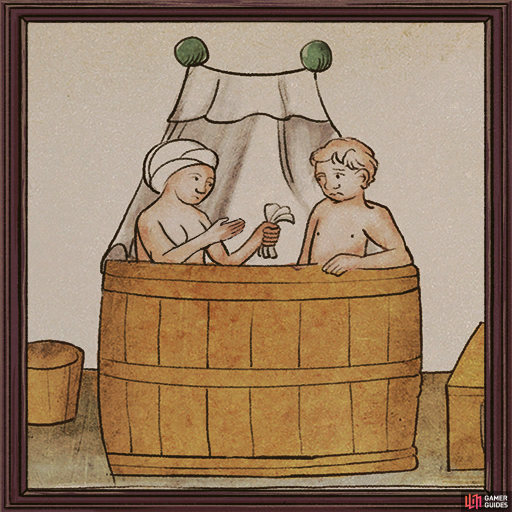
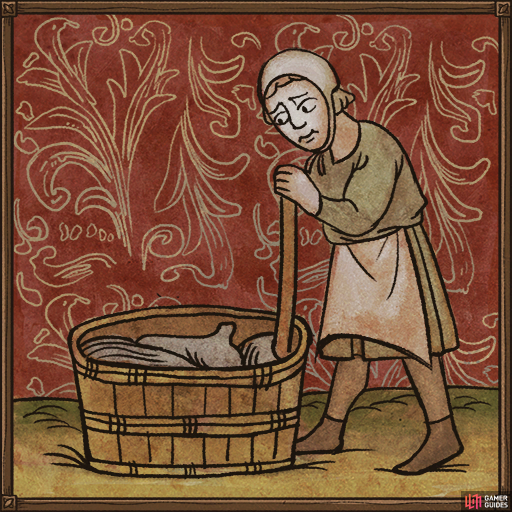
Wherever hygiene, and thus baths were lacking, public baths became popular. Public baths in Central Europe appeared from about the 12th century. Every town had them, often in significant numbers. Sometimes a town would have three to four bathhouses. Here, people had access to hot water for bathing or steam baths. In those times, steam was produced by pouring water onto heated iron or stones. Body cleanliness was taken care of by male and female bath attendants. Overall body washing was done in bath tubs, coopered wooden vats and tanks. In Bohemia, there were baths in operation since the early Middle Ages and their numbers rose steadily. There were 47 public baths in Prague in the second half of the 14th century and by the 15th century the baths were attended not just by the well-to-do, but also by the poorer classes. There was even a regulation that the bath-keepers had to open their doors once a quarter to the poor and to students. Bathhouses typically belonged to the municipality, and were leased to the bath-keepers. In addition to municipal and private baths, there were also private baths in the houses of the nobility and wealthy townspeople. In the 13th and 14th century, the bath-houses were very much associated with prostitution. In the 13th century particularly, bath-house prostitution became widespread and there were scarcely any that did not provide sexual services. In the richer urban baths there would also be pharmacists, masseurs, stokers and cleaners. In the villages the bath-house keeper had to do all these jobs himself.
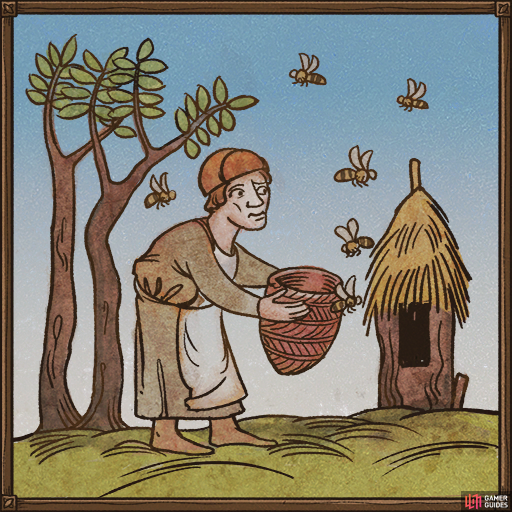
During the Middle Ages, beekeeping was distinguished by how the honey was obtained, as either forest or domestic. The domestic beekeeper kept bees in hollow trees or in straw skeps (wickerwork hives) and were not subject to any regulation. Conversely, the forest beekeeper, called ‘brtník’, kept hives ‘in the wild’ in hollowed-out trees. The forest beekeepers formed a fellowship similar to a guild and paid a fee to the owners of the woodland for each hive they managed. Beeswax was the main raw material for the production of candles up until the discovery of artificial wax (paraffin wax). Honey was used as a sweetener, and fermented to make mead.
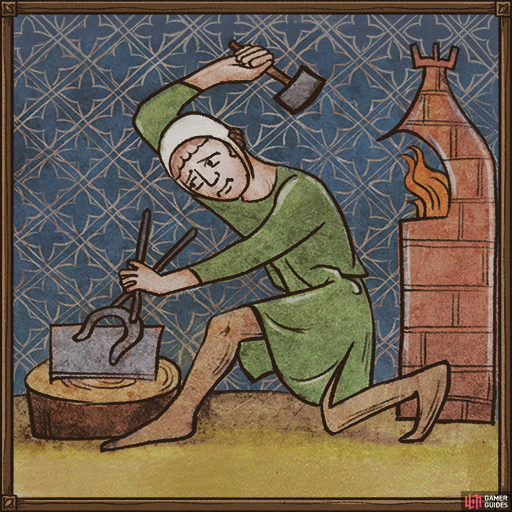
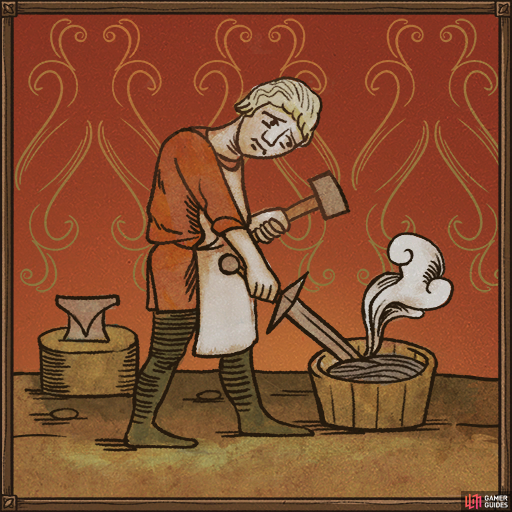
Blacksmithing has been one of the most important professions since ancient times, as iron was a very valuable raw material. At that time it was not mined, but rather collected in opencast mines - nothing was allowed to go to waste, and people even kept used nails. Blacksmiths were located in every large outpost or village and made almost everything needed for agriculture (knife, axe, grain sickle, but also ploughs, harrows, etc.). Some blacksmiths specialized in swords, helmets, spears, harness fittings, snaffle bits, locks or jewelry. The forge was most often a shelter with a wall. Their essential equipment included a large bellows, anvil, pliers, hammer, punches, files, etc. In a well-equipped forge, a blacksmith could develop a heat of up to 1400°C. It is worth mentioning that the Romani blacksmiths carried the whole forge with them during their nomadic journeys, and a fireplace and basic tools were enough for shoeing horses or making minor repairs to their tools.
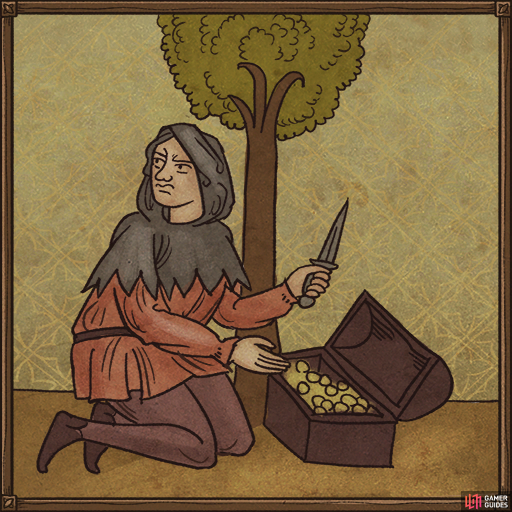
Thievery and banditry were ‘dishonourable professions’, whose practitioners were often known in the wider area - that is, if they could evade justice long enough. Petty theft most often happened in villages, town markets or taverns. In short, where thieves could hide in the crowd. But people were in greater danger in the open countryside, outside their settlements, or in remote villages, where victims could rarely call for help. Bandits therefore often threatened merchants and travellers on the road, especially around the richer towns, where they flocked to do business. Some bands of robbers were organised and operated under the auspices of rebelious nobles who profited from their actions. At times they even resorted to raiding entire villages or towns. They would then sell off their loot in markets or taverns. The execution books give us evidence of the fate of those, who became involved with bandits. In one of them, we read about Jan Zizka, that: ‘He steals herrings and killed a hired hand of the Rosenberg’s.’
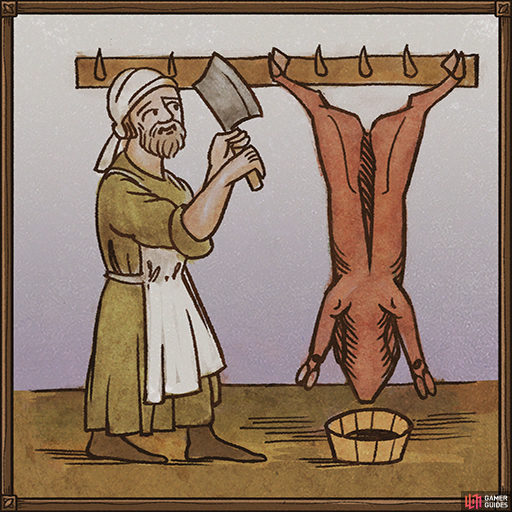
The profession of butcher appeared only in the 13th century, because prior to this each townsman or villager could raise and butcher livestock on his own land. In later centuries this led to conflicts with professional butchers, leading to the trade of meat being brought under statute with regard to guild rights. The main tasks of a butcher were to slaughter animals, cut up meat and preserve it outside the town limits. Raw meat was not allowed to be brought into the town and domestic sale was severely punished. These measures were intended to prevent the spread of disease from old or badly processed meat. Butchers from other areas often had to slaughter cattle directly at the market. In time, the butchers’ guild split into different specializations, such as those who worked only with lard and suet (tallow butchers), small cut specialists, cured meats specialists and those dealing in horns, hooves and mucilage. The butcher’s craft also spawned tanners, saddlers and cobblers.
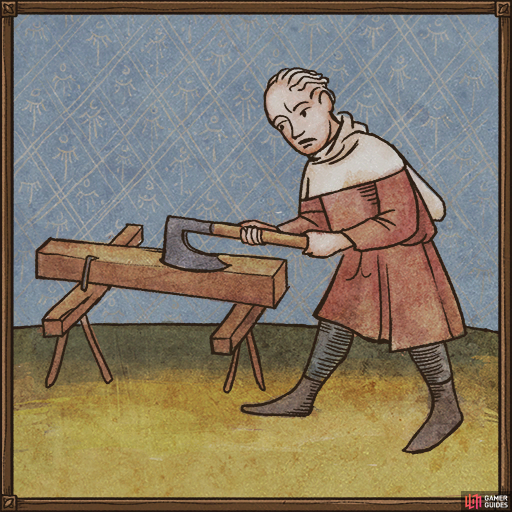
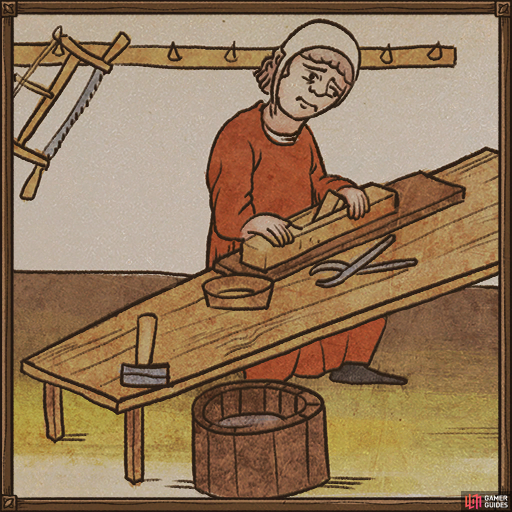
Carpenters were involved in the construction of castles, courts, churches, bridges, dwellings, and even in making rough furniture or military trebuchets. Although stone buildings were already being constructed in the Middle Ages, residential houses and farm buildings were still made of wood, ensuring that carpenters always had plenty of work. An experienced carpenter carefully guarded his skills and passed them on only to a chosen colleague, usually his son. He was particularly cautious with his apprentices. Important tasks, such as drawing roof plans, were always performed by the master carpenter himself. Among the most challenging tasks was preparing Gothic roofs or trusses – the individual frames, which could weigh hundreds of kilograms, made the work both difficult and dangerous due to the techniques used. Joiners worked similarly with wood like carpenters. They mainly focused on furniture production (chests, cabinets, chairs, cradles…). Boards were either laboriously sawn by hand from felled trees or more “modernly” at water-powered sawmills, where a diverted river stream was used to automatically drive the saw blade.
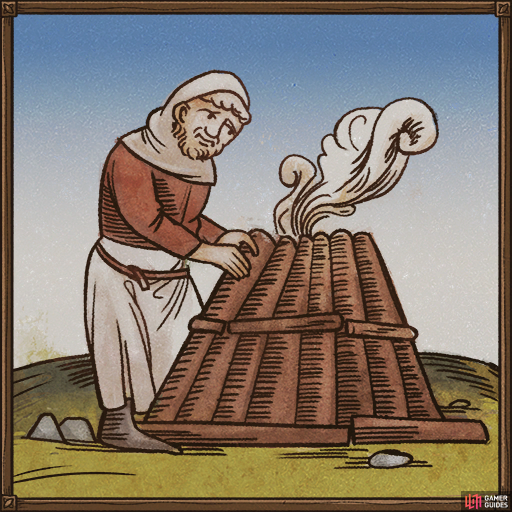
With growing demand for processed iron, there grew a corresponding demand for charcoal, which could produce a temperature many times higher than unprocessed wood, much needed for the forging of steel weapons. The forges were supplied by charcoal-burners, who spent most of the year living in the forest by their charcoal kilns – great piles of stacked wood covered in clay with just a few vents for air, where, in an oxygen-starved atmosphere the wood slowly pyrolyzed to charcoal. Each pile would smoulder and give off much smoke for several weeks, during which time it had to be delved through repeatedly. After it burned out completely, the yield of the process – charcoal – was unearthed from beneath the clay. The charcoal was then sold at a special market bearing that name, quite separate from traders in other goods. During the reign of Wenceslas IV, the charcoal-burners already had numerous rights and freedoms regarding use of the forests, and were held in relatively high esteem. Resin was sold exclusively by wagoners and resin merchants, who themselves made pitch for greasing their wheels. The charcoal burners produced resin and pitch only as a side-line. The pitch merchants provided pitch to tanneries to impregnate leather and mixed it with tallow to grease the axles of wheels on wagons and carriages.
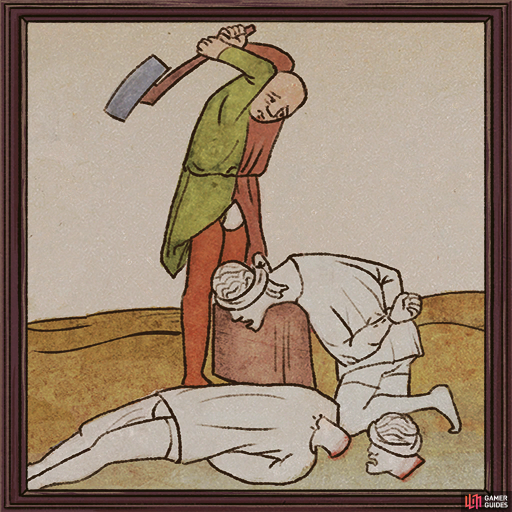
The profession of executioner dates back to ancient Egypt and Rome; in Europe, it reappeared again in the 13th century. Before that, executions were carried out by judges themselves, or prosecutors or relatives of the condemned, or other individuals. It was only with the advent of the executioner that all tasks shifted to them. Although executioners made decent money from their profession, and having their own executioner was a status symbol for every town, executioners themselves lived on the fringe of society. Associating with an executioner meant a loss of honor for respectable persons, and the executioner themselves had to face many discriminatory measures – separate place in church and at the inn, exclusion from social events, etc. The executioner was responsible for punishments such as hanging, breaking on the wheel, burning at the stake, and torture, as well as quartering and beheading. They had assistants – henchmen – who helped with the preparation and disposal of executed bodies. Other tasks of the executioner included the removal and disposal of dead animals, catching stray dogs, and sometimes even cleaning up filth from the streets. The executioner also sometimes oversaw the city brothel, had partial knowledge of surgery, could treat fractures, reset dislocated limbs, or amputate them in case of gangrene. Sometimes, the executioner deceitfully sold items directly related to executions to superstitious people, such as ropes or fingers of the hanged, or amulets made from their hair.
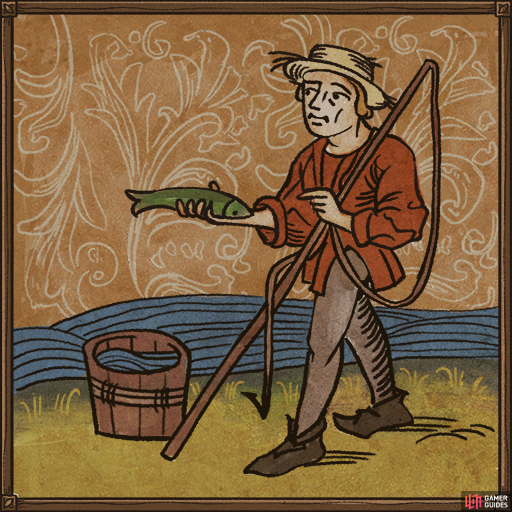
Fishing was one of the oldest methods of making a living. Fishing took place in flowing waters, and it was not until the 13th century that monasteries began establishing ponds primarily for carp farming. Fish were considered fasting food, and with the frequency of religious holidays and fasting days at that time (up to one-third of the year), they became an integral part of the popular diet. The greatest development of pond farming and fish breeding in the Czech lands occurred in the 15th and 16th centuries. Various tools and traps were used for fishing, such as bones, wicker baskets, baskets without bottoms, fishing rods with lines, or rods with hooks, and hemp nets with stone weights. All rivers belonged to the king, and were leased to towns. Fishing was only allowed on certain days and hours. Despite this regulation, some nobles prohibited townspeople from fishing under threat of capital punishment. Nets were laid during the day because fishing at night was forbidden. Fishing with a rod was permitted even for those who did not have permission to fish with a net, as the success rate of fishing with a rod was minimal.
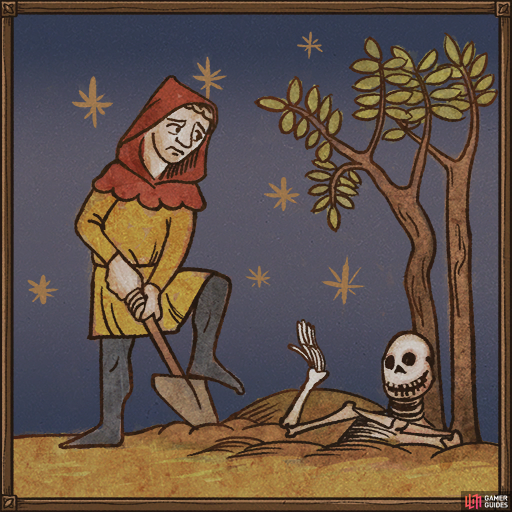
The gravedigger profession took care of graves and their surroundings and was hereditary. The beginnings of the professionalisation of this occupation was associated with the introduction of Christian cemeteries. The gravedigger lived in a wooden hut, right in the cemetery, next to the main entrance and took care of the running of the entire cemetery. He performed his work not only in the village, where he lived, but also visited surrounding villages. He was also responsible for exhuming human remains and placing bones in the ossuary, thus ensuring enough space in the cemetery. A proper burial was far from affordable for many townspeople. In some places, the deceased poor were cared for by so-called ‘grave people’, who carried them to mass graves in cemeteries. The gravedigger was also not allowed to be present at the funerals of those deemed dishonourable in the eyes of the church, such as suicides or delinquents, for whom denial of burial represented the church’s ultimate punishment for breaking its laws. Gravediggers belonged among the undesirables on the margins of society, the only one who came into contact with them was the parish priest.
The society of the medieval town was primarily composed of craftsmen and merchants who ensured its economic growth. Based on municipal rights, they had the right to practice their trade and market rights. Apart from privileges such as the protection and support of the town in operation, healthcare, and sufficient food supply, it was their duty to pay taxes on every sale or export of goods outside the town’s borders. Essentially, the status of the community depended on them, so it was important that they did not relocate, did not practice their profession elsewhere, and passed on the craft to future generations. During one century, several craftsmen of the same profession worked in the town. These craftsmen gradually began to form groups with politico-economic rules, known as guilds. They had their own seals, stamps, and banners bearing the guild’s coat of arms designated by the ruler. Those who belonged to the guild had support from others, and they collectively agreed on prices, sales regulations, training rules, and obligations. Only guild members could sell goods.
A journeyman was a craftsman’s assistant. If he went out into the world to ply his trade, he needed to have a vocational certificate and the tools of his trade. Rarely did journeymen stay in one workshop for an entire year. Typically they were there for just a few weeks, on one week’s notice, paid by the day (‘journée’). If a journeyman left without agreement (absconded), he was ‘proscribed’, outlawed from hire by other workshops, his identity written down and disseminated. An apprentice was a boy accepted into apprenticeship by a master craftsman in a special ceremony before other guild masters. Entry was made possible by paying a fee in cash and beeswax. Wealthier boys might complete their apprenticeship in as little as one year, while poorer ones had to work off their debt over several years.
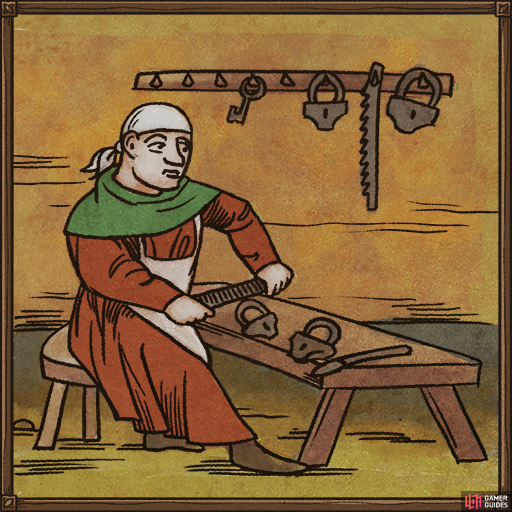
Even though we know of locking systems dating back to ancient times, locksmithing, as a separate craft, came into being roughly between 1390 and 1408. Before this time, the work was done by blacksmiths. In rural settlements, even after locksmithing came into its own, the work might well be done by an above-average blacksmith. In the 14th century, the lock was still fitted to the outside of the door, made of iron, and its mechanism was rather complicated. The locksmith decorated the lock cover and keyhole plates. People even regarded their fancy locks as a status symbol, until the locksmiths amalgamated into guilds and their creativity began to be restricted by security regulations.
For a long time, anyone who wished could brew beer. It was only in the 13th century that brewing gradually came to be regulated. The rules stated that beer could only be brewed and sold by a full-fledged citizen who owned a house within the town walls. The right to brew closely relates to the ‘one-mile right’, which dictated that none but citizens of a town were allowed to conduct ‘urban’ trades within a one mile radius of the city. The overall process was supervised by the master brewer, the making of the malt and beer was dealt with by the maltster and a brewer handled the fermentation and brewing. In domestic breweries, all these jobs would be done by one man. The shelf life of beer depended on whether the finished brew was filtered or not. Yeast remained in the brew, as well as acetic or lactic bacteria, contaminating it. Beer then, quite unlike today, resembled porridge, and was very nutritious (hence known as ‘liquid bread’). It had to be drunk through a straw to filter out foreign matter. Only later was beer filtered to become the classic liquid we think of today. St. Wenceslas was the patron saint of maltsters in Bohemia, while the legendary Gambrinus, though not a saint, was regarded as the patron of brewing. The Bohemian brewing tradition thrives to this day and Czech beer is amongst the best in the world.
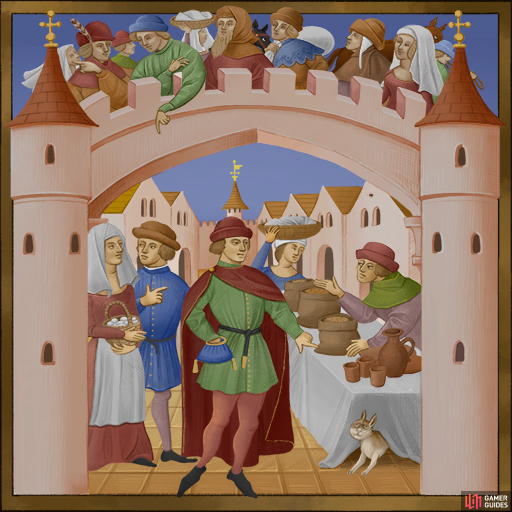
Merchants were of two types – settled (permanent) and travelling (occasional). The settled traders had permanent shops in towns and villages, while travelling merchants only brought their wares to the markets. Markets (held once a week) and fairs (held twice a year) also offered wares by local stallholders, visitors and pedlars or hawkers – street vendors without a fixed site. Stallholders had their permanent stalls on the square, merchants ran small shops and had the right to retail products purchased from craftsmen. Village folk got their supplies from neighbouring craftspeople, in the local tavern or from a merchant who brought supplies from larger townships. At the markets, goods from the village would be exchanged for goods produced and available in the town. The terms of trade were set by the ruler, for example, only local merchants who had sworn to uphold city rights could sell their goods freely. Only the traders from large cities would venture abroad. Many regulations and detailed rules governed trade. If it were found that a merchant was dishonest and, for example, gave short weight, he was severely punished.
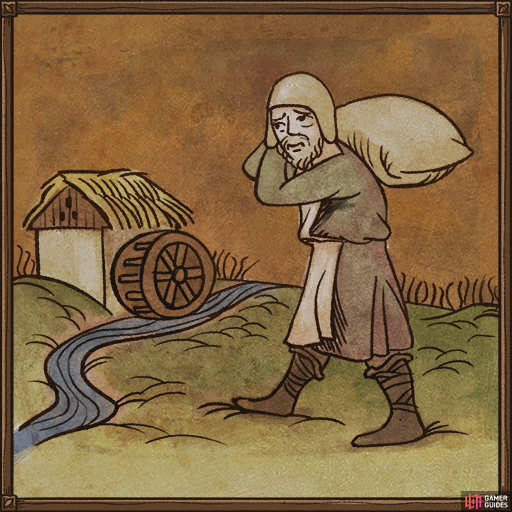
Milling is one of the oldest crafts in the Czech lands, with the construction of water mills being known since ancient times. Over the centuries, the mechanism was perfected, and by the Middle Ages, a mill was present in almost every village. There were also windmills and mills powered by oxen, known as “jentour”. Milling was one of the so-called free trades, and millers also ensured trade in the village. With the increasing number of water mills and other water-powered devices, it became necessary to establish relationships between individual millers. As early as the mid-14th century, a board of sworn millers – experts in water law – was established. They were primarily tasked with measuring watercourses, determining the levels of mill weirs, assessing the technical condition of mills, and so on. They also established a set of principles that millers had to follow to ensure that the use of water for milling did not harm others. Since mills were often located away from other rural buildings, millers frequently became the subject of gossip and were attributed many negative side activities – from cheating customers on flour to witchcraft, theft, and trafficking in stolen goods. These last accusations are particularly abhorrent and completely unfounded.
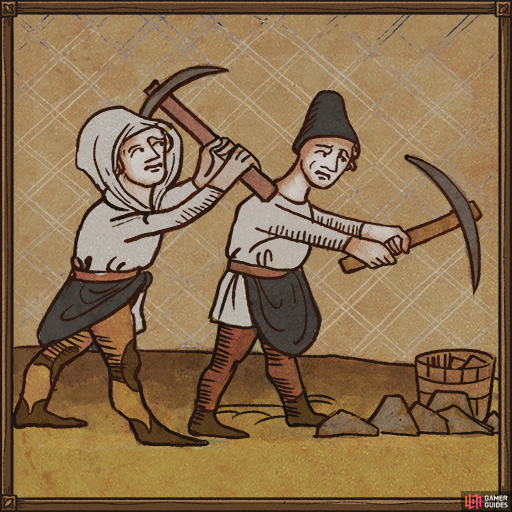
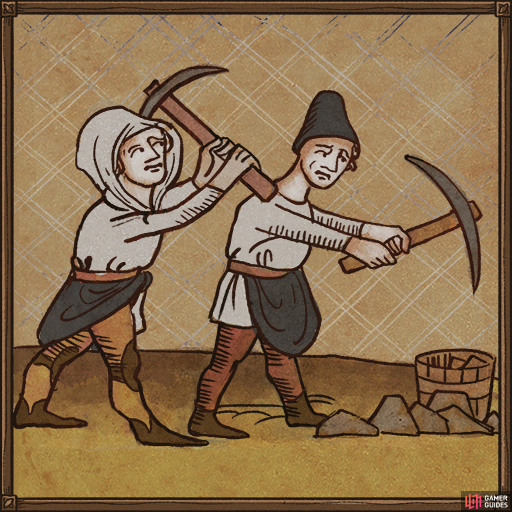
While in the medieval quarries the hard work was done by rock cutters and stone masons, in the mines skilled labourers - miners worked for wages. It was tough work. Using only hammers and chisels (these tools are depicted on the first Kuttenberg coat of arms) and by the light of small hand-held lamps, did they extract the valuable ore. Mining in the rock was slow, but thanks to perseverance and shift work, they eventually dug underground tunnels reaching hundreds of metres (sometimes up to 450m). This created larger and more passable horizontal and vertical shafts - underground pits - from which smaller galleries ran out in chains, where miners had to literally crawl on all fours. Safe movement in such conditions was ensured by unique, durable clothing, the most essential parts of which were a leather apron and knee pads. The arduous and prolonged work was expedited by a method called fire setting. A fire was set at the end of the shaft, cracking the rock, and making it easier to chip away. Even so, mining was dangerous and exhausting, and miners’ wives often became widows many times over. Every miner was thoroughly searched when leaving his shift, because the silver belonged to the king and there were severe penalties for theft. Still, they did occur, for as the age-old saying goes: ‘The brazen miners on the rocks, have work until Saturday, but money only until Sunday.’
Mine leaseholders were usually wealthy burghers who leased the land for mining and employed miners. Experienced mine leaseholders were also able to recognise suitable terrain and judge whether it would be rich in ore. Therefore, they could also sit in various offices regulated by mining law and participate in the successful growth of mining towns in the Bohemian Kingdom. They ensured, among other things, that both breweries and churches (dedicated mainly to St. Barbara or St. James the Great, the patron saints of miners) were built in the mining villages. In fact, they ensured that miners and workers were willing and able to move to the mining areas with their entire families.
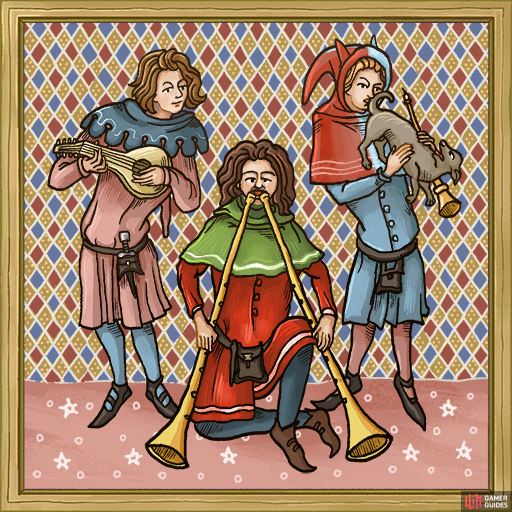
Theatre as we know it today was not widespread in the Middle Ages and was used more for church purposes (passion plays). Art in the high court, on the other hand, was not comprehensible to commoners, so the profession of folk entertainer was established for a variety of purposes. Minstrels were seen at fairs and markets; they made the rounds of taverns and were even hired by wealthy merchants or nobles. The minstrel’s repertoire could include singing, playing musical instruments, juggling, staging scenes or narrating humorous stories. The themes of their work were mostly light and cheerful, but often included satire or criticism of political conditions, whether coming from the minstrels themselves, or paid for by an employer and tailored to their intentions. Most of the minstrels had no employer, they belonged to the margins of society and had to get by from day to day through alms. Musicians enjoyed a bit more respect and besides entertainment, their music could also be used during religious services. Popular medieval instruments included flutes, trumpets, shawms, as well as lutes, harps and drums. Their performances were mostly improvised, but early musical notations also began to appear at this time. There were both, professional musicians employed at court or churches and travelling musicians playing in markets and at celebrations. This craft was predominantly pursued by men.
Two officials in a medieval mint whose job it was to check the quality of coins minted and punish counterfeiters. One of them was appointed by the king and the position was hereditary. The other was elected by the Bohemian lords. The penalty for poor performance of duties or for allowing poor quality coins into circulation was death. This was a high ranking position of great importance for the entire Bohemian Kingdom, so the names of all the mint masters and their officials are well documented. We list those who appear in the game: Peter of Pisek, mint master, 1395 Adam of Zarzitz, coin scribe, 1401 Konrad of Vechta, coin clerk, 1401-1402, later still 1403 Ulrich Vavak von Neuhaus, mint master, 1402-1403 Christopher, assayer, 1403
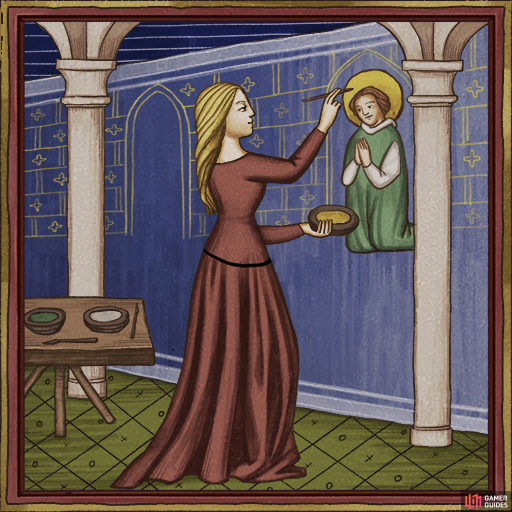
The work of painters until the late Middle Ages primarily involved skillfully executing commissioned works, rather than expressing the artist’s personal vision. While they could decide on the technique of creation, they had little influence over the subject, colours, or size of the commissioned artwork. Apart from commissions for large-scale murals in sacred or ceremonial spaces, most painters devoted themselves mainly to decorating wooden furniture, ceilings and even weapons. The most esteemed painters could showcase their skills in altar paintings. Classical canvas paintings, as we know them today, were rare until the end of the 14th century and served more as a display of wealth than for decorative purposes. Paintings were often created in painters’ workshops under the supervision of a master and involved the work of several painters, who specialized in different parts of the paintings - figures, ornaments, animals, backgrounds, etc. Painting was seen more as a collaborative craft than an individual artistic endeavor. As a result, the names of specific artists from early paintings are largely unknown. Although the first signatures appear in Italy as early as the 12th century, they did not become common in central Europe until the turn of the 14th and 15th centuries. Therefore, to distinguish the prominent artists of Czech medieval paintings, auxiliary names referring to the places where their works were preserved are used, such as Master of the Vyšebrod Altar, Master of the Třeboň Altar or Master of the Litoměřice Altar. The names of the many monk-artists who created the carefully crafted and exuberant illuminations in contemporary books and manuscripts, will unfortunately never be known again.
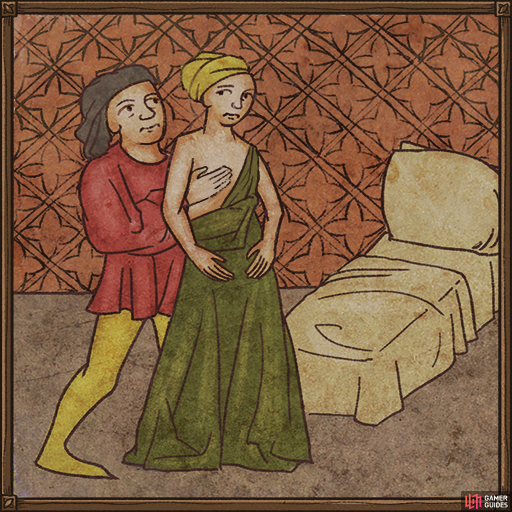
In Bohemia, brothels were called “hampejz”, ‘whorehouse’ or ‘house of shame’, but not ‘brothel’. Prostitutes were simply called ‘whores’. The profession encompassed several categories. The most deprived prostitutes were homeless and provided services in the streets. Others visited their customers in their homes disguised as bread sellers, while others were ‘at hand’ at a given court. Then were those who offered their services in brothels of various price categories, whose clients were townsmen, officials and nobles (or conversely, the most vulgar clientèle, in the cheapest brothels). Brothels were run not only by townspeople, but often by clergy (for example, the Parish Priest of the Church of St Giles under Vyšehrad). Often a brothel was directly connected to a bath-house. During the Hussite wars many brothels were abolished, but flourished again afterwards. Legalization was aided by the Roman Catholic Church, which considered prostitution a lesser evil than adultery. It’s telling that prostitutes made up nearly 10% of the population in Papal Rome.
There were numerous regulations and laws governing brothels and the ‘oldest profession’ in general, as well as special taxes. There were even laws requiring considerate treatment of prostitutes and protecting them from violence.
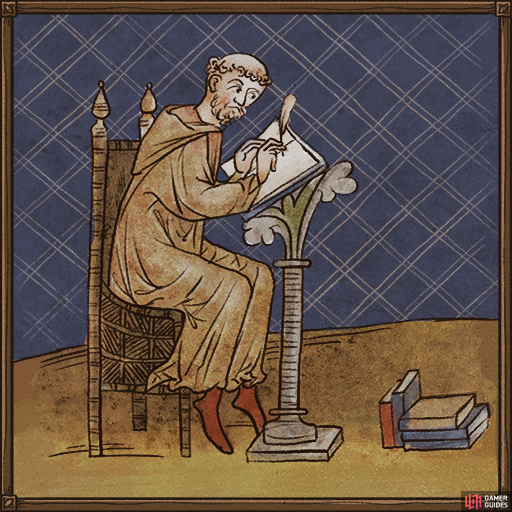
Their main activity was keeping records from the regional court and city council meetings. In medieval society, they were one of the few people who could read and write, making their services highly sought after in almost every town.
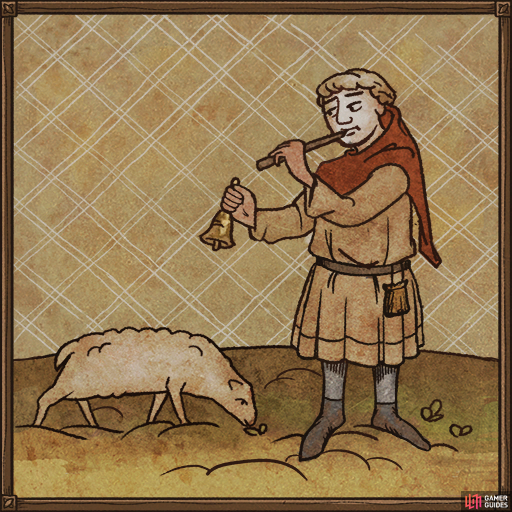
A herder’s job depended on the weather, most commonly starting in April and ending in the autumn. They took the entrusted herd or flock (it was rarely their own, more commonly they were hired to graze others’ livestock for a fee) from pasture to pasture, sleeping in rudimentary huts or shelters. Over the summer they stayed out in the pastures, returning to the village when the first frosts set in. Life far away from other people forced the herders to become adept at healing themselves and their animals, so when there was no apothecary to hand, folk would turn to shepherds.
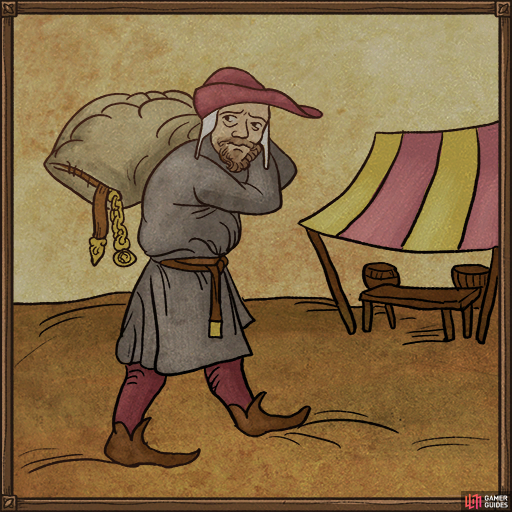
In the Middle Ages, smuggling was regarded as taking any goods in or out of a town without paying export or import duties. Smugglers had to know alternate routes and how to avoid the tax collectors. When smuggling through the gates, they made use of false-bottomed vehicles or baskets, or even resorted to climbing over the walls by night. Contraband included fabrics, spices, wine and other scarce goods subject to high taxation.
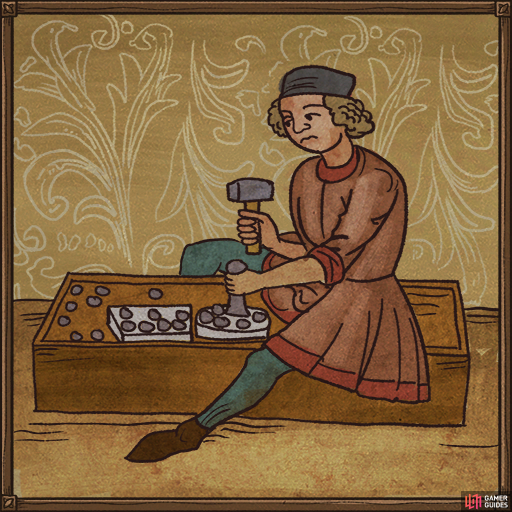
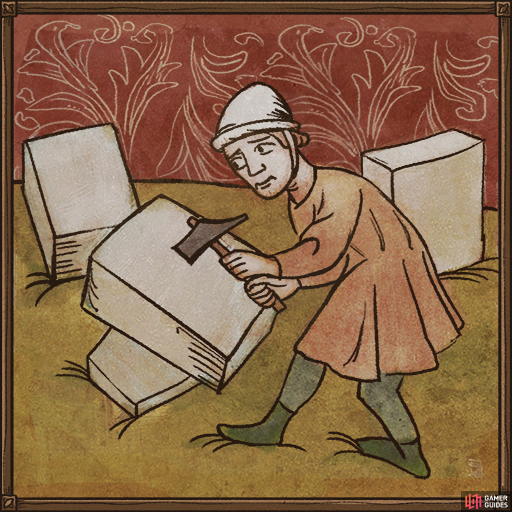
Stone masons were engaged in the quarrying and dressing of stone. Their activities included quarrying stone blocks from the rock-face, splitting them into smaller pieces, grinding, cutting, polishing and dressing them to make building blocks or vault elements. The first mention of an organized stonemasons’ guild in Bohemia dates from the 14th century. The patron saints of quarriers and stonemasons are St Roch and St Joseph, and in places also St Barbara and St Procopius. Stone-working found application mainly in the construction industry. The mason’s mark was a graphic symbol, though not the maker’s signature, on the surface of a finished stone piece. The number of finished and marked pieces determined the payment due. Each mason either attained his mark, or had it allocated to him at a particular point in his apprenticeship, and then kept it for life.
Swordsmiths were originally blacksmith-cutlers specializing in blades for swords, knives, daggers and other hand-held side-arms. In the 14th century, the making of armour started to become specialised and separate from the blacksmith’s craft. Specialist professions came into being – armourers, plate-smiths and helmet makers, who not only produced, but also sold their wares. As regards weapons, there were new specialised professions – the swordsmith, bladesmith, fletcher, arrowsmith, and in later centuries the gunsmith, bowyer or shieldsmith, making wooden and metal shields. The price of a complete suit of armour was very high, affordable only to wealthy noblemen. Those who could not afford a complete suit of armour would have only partial metal armour and would rely on their agility for protection in combat.
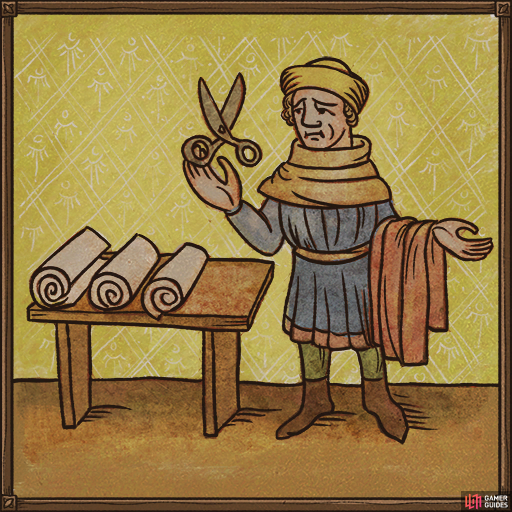
Until the 13th century, tanners sold their goods to be processed by stitchers and cobblers. Weavers prepared cloth, but it was the cloth merchants who often cut it and sold it by the yard. Later, in the High Middle Ages, tailors sewed cut pieces into clothes. Simple garments were sewn by women for their families at home. Care was taken to sew clothes thoroughly, as clothing was inherited and often lasted for years, with minor repairs. In the early 14th century, people in larger towns began to pay more attention to fashion. Tailors started to specialise in only one type of clothing, so in the Middle Ages, we find coat makers, hosiers, doublet makers, glove makers, hatters, cloak makers, and second-hand dealers who repaired old clothes. In smaller towns, tailors had to be able to sew anything due to lower demand.
A tanner was a craftsman who tanned and processed animal hides. Once softened, these hides were handed over to cobblers, saddlers, or other craftsmen who used them to make clothing, bags, dishes, and more. It was not a pleasant job, as the hides needed to be quickly stripped of fat and preserved to prevent spoilage, which involved soaking them in vats of urea. Due to the strong unpleasant odor, tanners were located on the outskirts of towns and belonged to the same reviled group as executioners, knackers, and prostitutes. To transform hides into material for shoes or clothing, they had to be soaked in water after being stripped from the animal. Once softened, they were scraped of any remaining flesh and membranes using a long blunt knife. To remove fur, hides were soaked in lime water for two weeks or smeared with slaked lime. They were then tanned using either alum (handled by a tawer), fats (handled by a chamoiser), or tannins (handled by the tanner) from oak, beech, or other barks. This lengthy process made the hides supple, prevented decomposition, and sometimes changed their color. At the end of the process, hides were soaked in vats or pits of urea for several weeks. The tanned leathers were then dried, sometimes oiled, dyed, and polished.
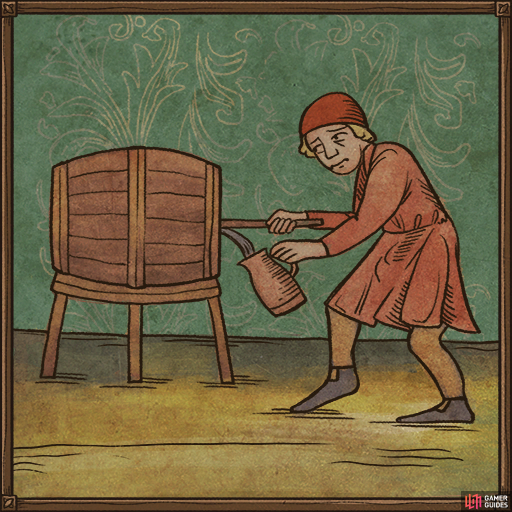
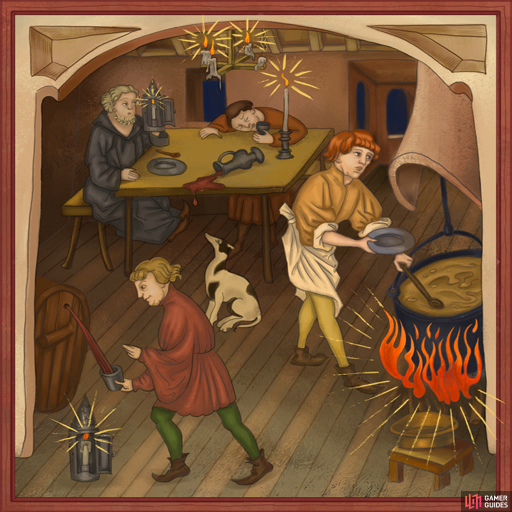
The Czech word for tavern, ‘hospoda’, may originate from the Latin‘hospes’ – guest, ‘hospitium’ – hospitality, shelter, though the more likely etymology is from the old Slavonic ‘gospod, gospodja’ – the Master of the House. Alehouses were an integral part of all medieval villages. Originally, beer was drawn in what was called the maashouse, an area on the ground floor of a townhouse whose owner had brewing rights, while special-purpose taverns and inns came along later. These served as places for social events, meetings, trading and lodgings. Some inns had rooms for overnight guests and special stables and spaces for carriages – these were called wagoners’ inns and were located out of town at crossroads and along trade routes. The seating was more often outdoors than indoors. It was said of Wenceslas IV that he was fond of visiting taverns and alehouses to eavesdrop on what the locals had to say about him and to check that the owners were complying with his edicts. In the Middle Ages, no one took exception to alcohol. The Germans, Russians and Czechs, in particular, were Europe’s fabled drinkers. There was a formal curfew at dusk, or when the night watchman began his rounds, although drinking and feasting often went on until the early morning hours. In KCD we have tried to keep the image of medieval taverns faithful to surviving records.
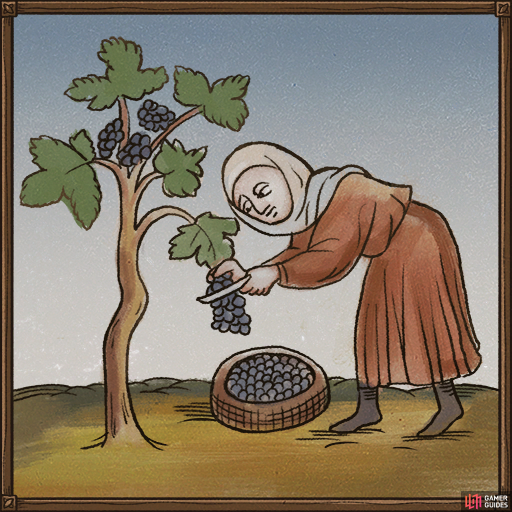
In Bohemia, viticulture began spreading from the 10th century onwards, primarily for liturgical purposes. Between the 11th and 13th centuries, vineyards were established mainly by monasteries and the nobility in locations similar to those where grapes are grown today, especially in southern Moravia. While the favorable climate initially allowed grape cultivation even in Bohemia, a later period of global cooling caused the vines to die off. Caring for grapevines occupied winemakers throughout the year, with the harvest traditionally taking place from October to November, depending on the weather. Grapes were typically cultivated in areas unsuitable for other crops, such as rocky southern slopes. Establishing a new vineyard could take three to four years, with optimal productivity lasting around thirty to forty years The harvested grapes were collected and then poured into vats, where they were crushed by foot. White grapes were immediately pressed and stored in wooden, pitch-sealed, and sulfurised barrels where fermentation took place. Red grapes were crushed, destemmed, and left to ferment in open vats with regular stirring. This produced a substance known as “must,” which was pressed after a few days, and the entire mixture was then transferred to barrels. A great lover of wine was King Charles IV, who imported cultivation methods and certain grape varieties from France and granted numerous privileges to winemakers.
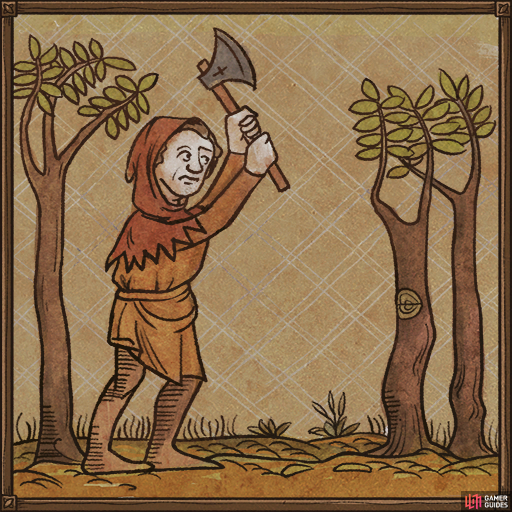
In the early Middle Ages, agriculture and the rapid growth of towns required extensive deforestation. Reforestation was not yet being done, so by the 15th century, some areas had even fewer forests than today, and the regions around towns were completely devastated. Logging was done by woodcutters. The primary tool was a large single-sided axe on a long handle or haft; while various wooden wedges and hammers were used to split the lumber. Transport of lumber from distant areas was difficult, which led to using navigable waterways, down which the lumber was left to drift freely.